Plant-Based Diets Match Omnivore Diets for Athletic Performance, Review Finds
A 2025 state-of-the-art review in the American Journal of Lifestyle Medicine finds plant-based eating patterns are non-inferior to omnivore diets for athletic performance and muscle protein synthesis. The strongest supplement evidence supports creatine, caffeine, and protein.
Can a plant-based diet support serious athletic performance? A 2025 state-of-the-art review published in the American Journal of Lifestyle Medicine says yes, with a caveat that should surprise no one: the macros have to match.
The review, led by Richard M. Rosenfeld and two colleagues (Samantha Zinman and Jonathan P. Bonnet), pulled together systematic reviews, randomized trials, and comparative studies. The question was simple: does cutting out animal products hurt performance? The answer, across the body of evidence, is that it does not. But the details matter more than the headline.
What the Review Found
The core result: when macronutrient content is held constant, a plant-based diet performs no worse than an omnivore one for athletic performance and muscle protein synthesis. Plant protein, in sufficient quantity, is non-inferior to animal protein. The target the review settles on is 1.2 to 2.0 grams of protein per kilogram of body weight per day, split across three to four meals.
That range is not new. It mirrors what the International Society of Sports Nutrition has been saying for years. What is new is the explicit confirmation that it holds for athletes who eat little or no animal products. The type of plant-based pattern (flexitarian, vegetarian, fully vegan) does not change the conclusion. What changes the outcome is whether total intake meets training demands.
Supplements: What the Evidence Supports
The review sorts supplements into two tiers. For performance: caffeine, creatine, protein, and essential amino acids have the strongest evidence. For recovery: polyphenols, vitamin E, and omega-3 fatty acids.
The authors are clear that these are not game-changers. “Small added benefits” is how they put it. The diet comes first. Supplements are optional.
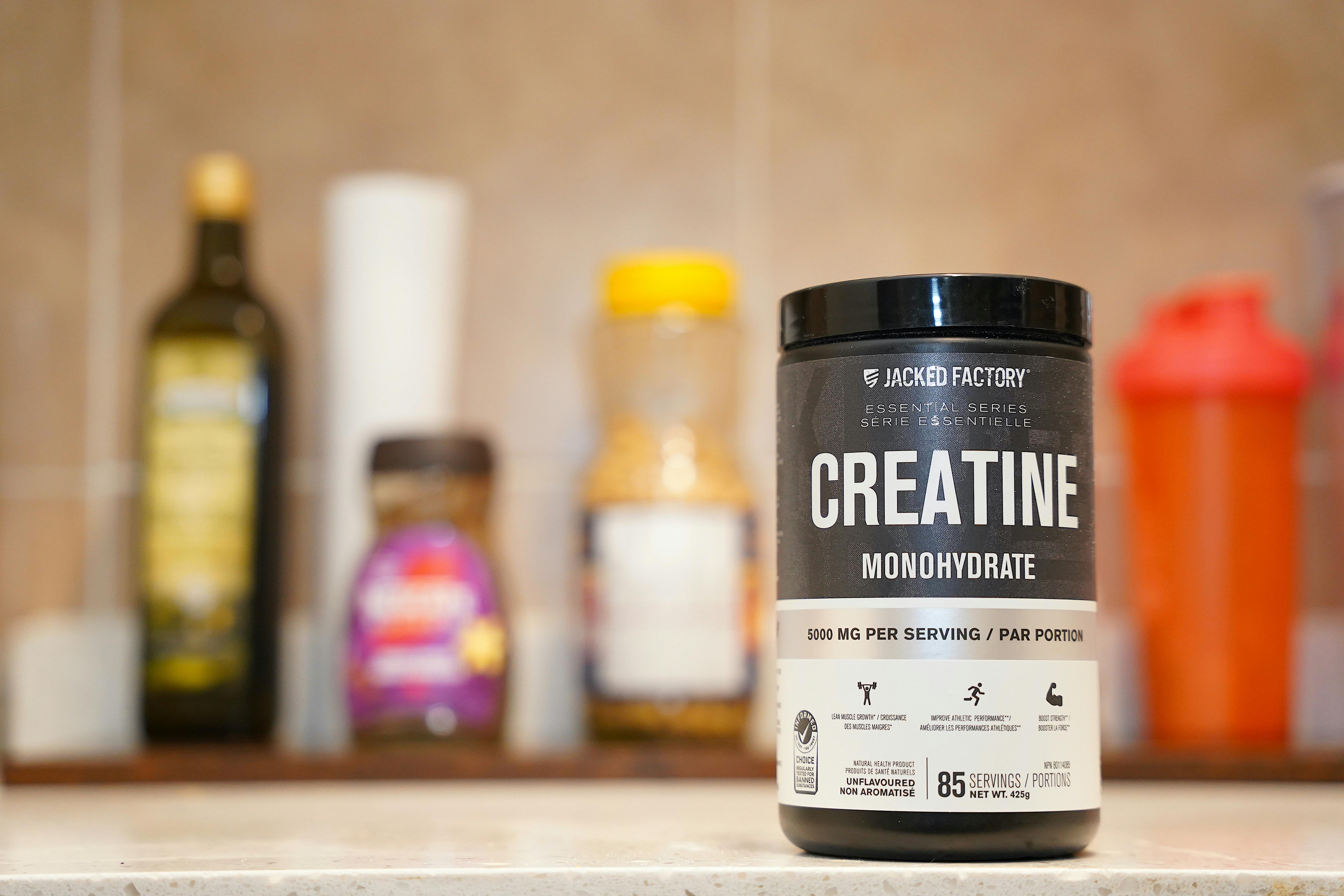
Creatine gets more attention than the others because of a physiological difference that matters for plant-based athletes. Dietary creatine comes from animal products, so people who do not eat meat have lower intramuscular stores at baseline. The implication is that plant-based athletes may see a larger relative boost from creatine supplementation, particularly for strength and high-intensity work. The standard 3 to 5 grams daily applies. Saturation may come faster for this group.
Caffeine makes the list for the same reasons it always does: improved endurance, strength, and alertness across study designs and populations. The effect is about as well-replicated as anything in sports science.
The recovery supplements (polyphenols, vitamin E, omega-3s) work through anti-inflammatory pathways. Tart cherries, berries, green tea: these are the food sources studied for effects on muscle soreness and inflammatory markers after hard exercise. For omega-3s, plant-based athletes would turn to algal oil rather than fish oil. The effects on recovery are modest. The review does not recommend specific doses for these compounds, and the authors note the evidence for recovery is less consistent than for the performance supplements.
The Broader Evidence
The Rosenfeld review is not the only 2025 paper on this question. A systematic review by Govindasamy and colleagues in Nutrients examined 24 RCTs on plant-based protein and recovery from resistance exercise, covering 938 participants. Nine of those studies found plant proteins helped muscle recovery. The key detail: it took 30 grams or more, with 2.5 to 3 grams of leucine, to match whey protein’s effects.
The Govindasamy review surfaced another pattern. Blended plant proteins (pea plus rice plus hemp) consistently beat single-source proteins. Soy alone, potato alone, pea alone: none reliably improved hormonal markers or muscle protein synthesis. Variety in plant protein sources is not a nice-to-have. It is the thing that makes the difference.
Both 2025 reviews point the same direction. The research has matured from small observational work to larger trials and meta-analyses. The conclusion is consistent: plant-based diets work for athletes, provided total intake and protein quality are adequate.
What the Evidence Does Not Say
Neither review is a meta-analysis. The Rosenfeld paper is a narrative review. It does not pool effect sizes or formally rate risk of bias. The supplement recommendations rest on evidence of varying strength.
The Govindasamy team could not run a formal meta-analysis either. The 24 trials were too heterogeneous in design, protein type, dosing, and outcome measures. The authors flagged moderate-to-high risk of bias across many of the included studies. Almost all 938 participants were in Western countries. Only one study exclusively looked at vegan athletes, which is a gap worth noting given that this is the population most likely to rely on plant protein for recovery.
For masters athletes, defined as 35 and older, the Rosenfeld review recommends protein at the upper end of the 1.2 to 2.0 gram range, plus creatine and leucine to offset age-related declines in muscle protein synthesis. This is a reasonable extrapolation. It is not based on direct evidence in older plant-based athletes, because that evidence barely exists.
Neither review addresses the practical side: the learning curve of protein combining, the food volume needed to hit calorie targets on plants, or the cost and availability of quality plant protein in some regions. These factors determine whether someone sticks with the diet. They are outside the scope of efficacy research, but they matter for outcomes.
Bottom Line
Athletes who go plant-based for ethical, environmental, or health reasons are not compromising performance. The evidence does not support the claim, still common in some parts of the fitness industry, that animal protein is necessary for muscle growth or athletic performance.
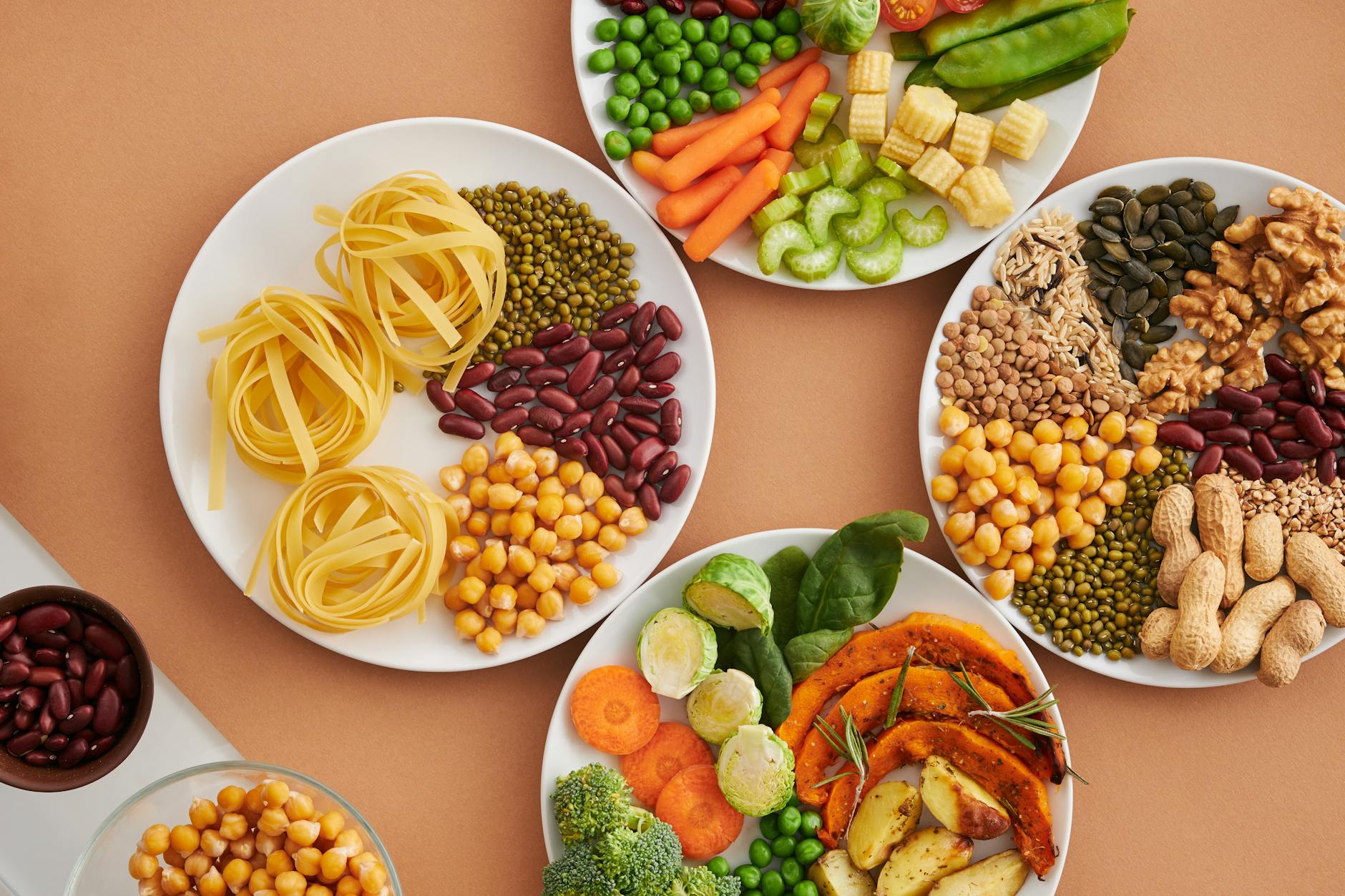
Hitting 1.2 to 2.0 grams per kilogram daily takes more planning on a plant-based diet than on an omnivore one. Plant proteins are less calorie-dense per gram, and some are incomplete in their amino acid profile. Spreading intake across three to four meals and combining sources (pea, rice, and hemp together, for example) addresses both concerns. A typical 80-kilogram athlete would need 96 to 160 grams of protein per day, which on a plant-based diet means deliberate inclusion of tofu, tempeh, lentils, beans, seitan, and protein powders at most meals.
For supplements, the evidence stack is clear. Creatine monohydrate at the top for plant-based athletes. Caffeine is well-supported for acute performance. Protein powder can help bridge gaps in whole-food intake. The recovery supplements (polyphenols, vitamin E, omega-3s) are lower priority. Standard creatine dosing at 3 to 5 grams daily works for everyone. Plant-based athletes may saturate faster given lower baseline stores. None of these supplements replace diet quality, and the review is explicit that they offer small marginal benefits on top of adequate nutrition, not instead of it.
Masters athletes, defined as 35 and older, should aim for the upper end of the protein range and consider creatine and leucine to counter age-related declines in muscle protein synthesis. The evidence for older plant-based athletes specifically is thin. The recommendation is a reasonable extrapolation from younger cohorts rather than something tested directly in that population. For athletes over 50, the review suggests the higher end of the range (closer to 2.0 grams per kilogram) may be warranted, though this is based on general aging research rather than plant-based-specific data.
References
- Rosenfeld RM, Zinman S, Bonnet JP. Plant-based nutrition and supplements for optimal athletic performance. American Journal of Lifestyle Medicine. 2025. https://doi.org/10.1177/15598276251393663
- Govindasamy K, et al. Effect of plant-based proteins on recovery from resistance exercise-induced muscle damage in healthy young adults: a systematic review. Nutrients 17(15):2571. 2025.
Wes Calloway
Product tester covering supplement brands, dosing, and real-world effects. 30-day trial format. Reports from Portland.