Limited evidence links creatine to better cognition in older adults
A systematic review of six studies finds creatine may benefit memory and attention in adults over 55. The evidence is thin, with only one of six studies rated methodologically 'good.' The authors say high-quality trials are needed before clinical recommendations.
A new systematic review says creatine might help older brains. The evidence is thin. The authors want you to know that first.
Six studies. 1,542 people. Most of them over 65. Five of the six found some kind of positive link between creatine and how well the brain works.
The review landed in Nutrition Reviews last September. Samantha Marshall and her team at Western University did something nobody had bothered to do before: they looked at every study that tested creatine and cognition in people 55 and up, but only the ones where creatine was the main event. No training programs. No multi-ingredient stacks. Just creatine.
That sounds obvious. It wasn’t. Previous work had conflated creatine with resistance exercise, which we already know helps brain function on its own. Untangling the two turns out to matter.
Six studies, five positives, one big asterisk
Here is the uncomfortable part. Two of the six studies were actual trials. Actual trials meaning people got creatine monohydrate or a placebo and someone measured what happened. Four of the six were just surveys asking people what they ate and then testing their memory. Cross-sectional stuff. The kind of study where you can find patterns but not causes.
The two trials split. McMorris (2007) found a benefit after one week. Alves (2013) found nothing after six months. Neither would clear an ethics review today on sample size alone.
Marshall’s team graded each study using the Downs and Black checklist. One got “good.” Two got “fair.” Three got “poor.” When the cleanest thing in your evidence pool is a single decent study, you do not write a headline about breakthroughs.
“The current limited evidence suggests that creatine may be associated with benefits for cognition in generally healthy older adults,” they wrote. Then: “However, high-quality clinical trials are warranted to further validate this relationship.”
That is the quote. That is the paper. Everything else is caveats.
Muscle gets most of it. Brain gets scraps.
Your body stores about 95 percent of its creatine in muscle. Five percent sits in the brain. This is not a design flaw. The brain makes its own creatine. It does not rely much on what you swallow.
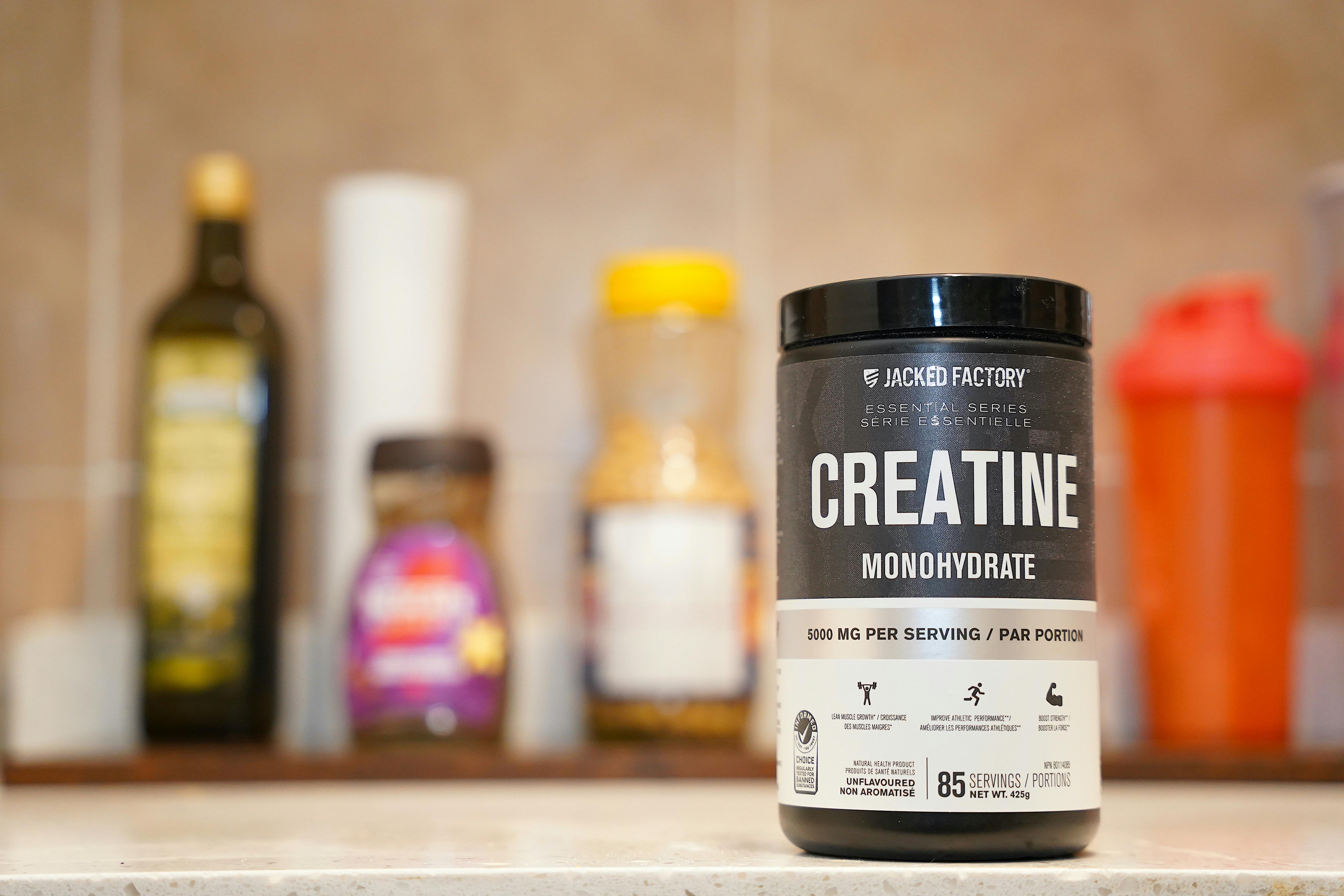
This matters because most of what we know about creatine comes from muscle research. Take 5 grams a day. Wait three weeks. Your muscles are saturated. Performance improves. The evidence for this is large and consistent.
The brain does not work that way. Creatine has to cross the blood-brain barrier. Transporters up there are less responsive to what is floating around in your plasma. Under normal conditions, the brain seems to have what it needs.
McMorris and colleagues made this point in a separate review, published in Behavioural Brain Research in 2024. Their conclusion was blunt: the theoretical case for creatine as a cognitive enhancer does not hold up, at least not for healthy people under ordinary conditions. They found that supplementation can raise brain creatine levels. They found “equivocal results for effects on cognition.” The gap between those two findings is where the whole field sits right now.
The one scenario where McMorris saw more promise was stress. Sleep deprivation. Low oxygen. Aging. Neurological disease. Situations where brain energy demand spikes and endogenous production cannot keep up. In those conditions, flooding the system with extra creatine makes more physiological sense.
Marshall’s numbers fit that picture. The people in the cross-sectional studies who ate the most creatine, up to 2.45 grams a day from food, did better on memory and attention tests than people eating 0.13 grams. But the difference may just mean that people who eat more meat also do other things that protect cognition.
The MMSE test saw nothing. That might be good news.
The Mini Mental State Examination came up empty in every study that used it. The MMSE is a crude tool. It catches dementia. It does not catch the difference between someone whose recall is sharp and someone whose recall is starting to slip.
The positive signals showed up on finer instruments. Domain-specific memory tests. Continuous performance tasks. The kind of thing that picks up a 100-millisecond difference in reaction time or one extra word recalled from a list of 15. If creatine is doing something real but small, you need tools sensitive enough to see it.
What we know, what we don’t
Nobody should be making recommendations off six studies where three got a “poor” quality rating. That is just not enough. But the question people actually ask is simpler: if I am getting older and worried about my brain, should I take this stuff?
Creatine is cheap. Fifteen bucks a month. The side effect profile is basically water retention and maybe an upset stomach if you take too much at once. People have been using it for decades. None of this is an argument that it works for cognition. It is just the reason the risk of being wrong is low enough that a lot of people try it anyway.
The review does not endorse this approach. Marshall and colleagues are careful to say the opposite. They want trials. Big ones. Multi-site. Placebo-controlled. At least 200 people. Brain creatine measured with MRS, not guessed from a food diary. The same dose for everyone. A cognitive battery that can pick up small changes.
Nothing like that trial exists. If it did, we would know the answer by now.
In the meantime, the sensible thing is to treat this like every other supplement question where the signal is interesting but the data is not there: track the literature, don’t oversell, and if someone you know is taking it anyway, at least they are not doing themselves harm. That is not a recommendation. It is just where the evidence sits.
References
- Marshall S, Kitzan A, Wright J, et al. Creatine and cognition in aging: a systematic review of evidence in older adults. Nutrition Reviews 84(2):333-344. 2025. https://doi.org/10.1093/nutrit/nuaf135
- McMorris T, Hale BJ, Pine BS, et al. Creatine supplementation research fails to support the theoretical basis for an effect on cognition: evidence from a systematic review. Behavioural Brain Research. 2024. https://doi.org/10.1016/j.bbr.2024.114982
Sera Voss
Formulation analyst covering the supplement industry's supply chain, purity testing, and ingredient sourcing. Reports from Los Angeles.