
Nutrition
The latest from Nutrition on Vitalspell.
How Exercise Regulates Your Appetite: What the Science Says About Brain Reward Centers
A growing body of research shows that high-intensity exercise suppresses appetite by reducing the hunger hormone ghrelin and increasing satiety hormones like GLP-1, while also modulating how the brain responds to food cues. At the center of the effect: lactate.
How Much Protein Do You Really Need?
The 2025–2030 Dietary Guidelines raised the official protein recommendation by 50 to 100 percent, sparking a debate between protein researchers and public-health voices. Here's what the evidence actually says about who benefits and who might not need to change a thing.
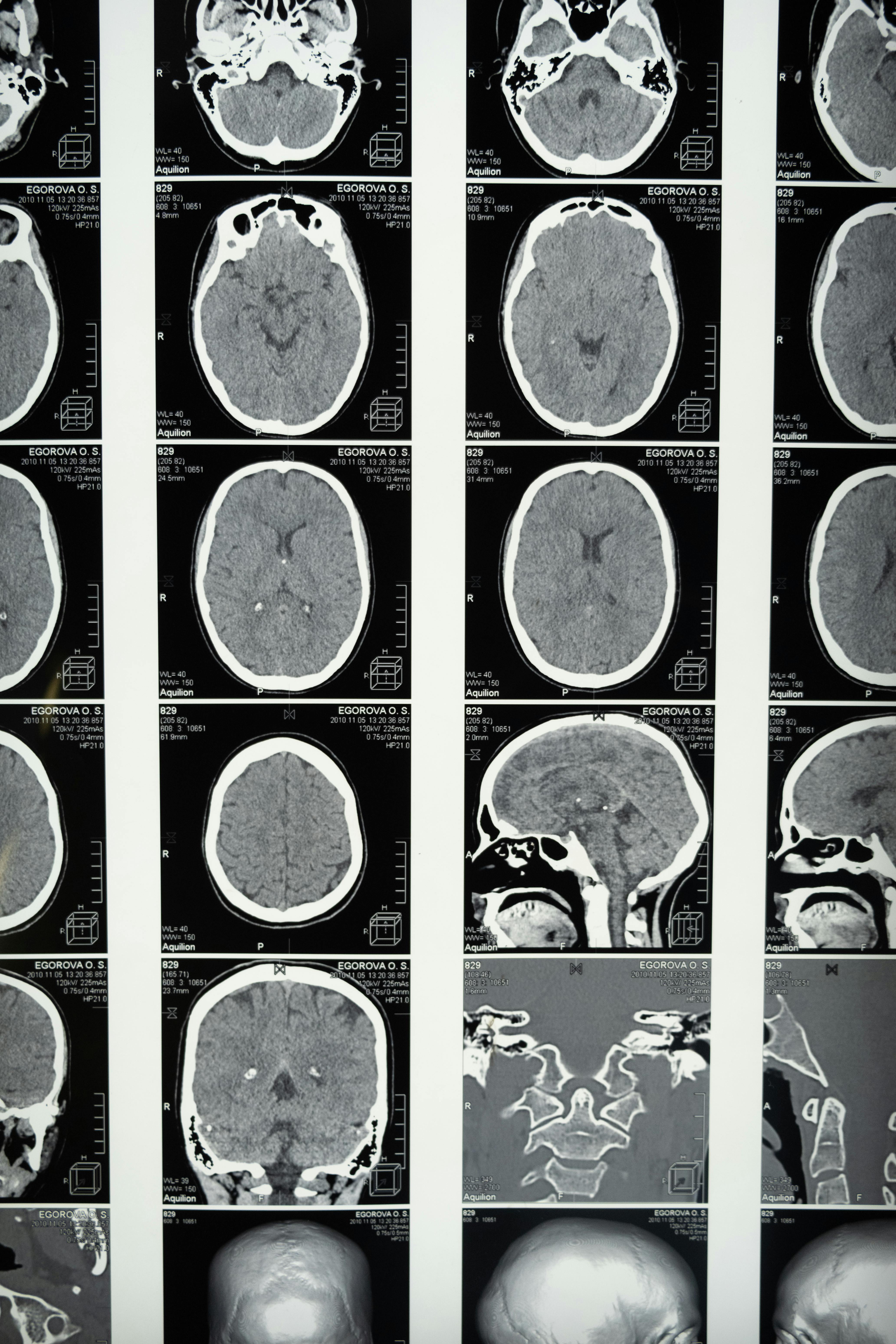
Omega-3 supplements accelerated cognitive decline in older adults, study finds
A 2026 analysis of over 800 older adults found omega-3 supplement users declined faster on three cognitive measures than matched non-users. Reduced brain glucose metabolism, not amyloid buildup, appeared to drive the effect.
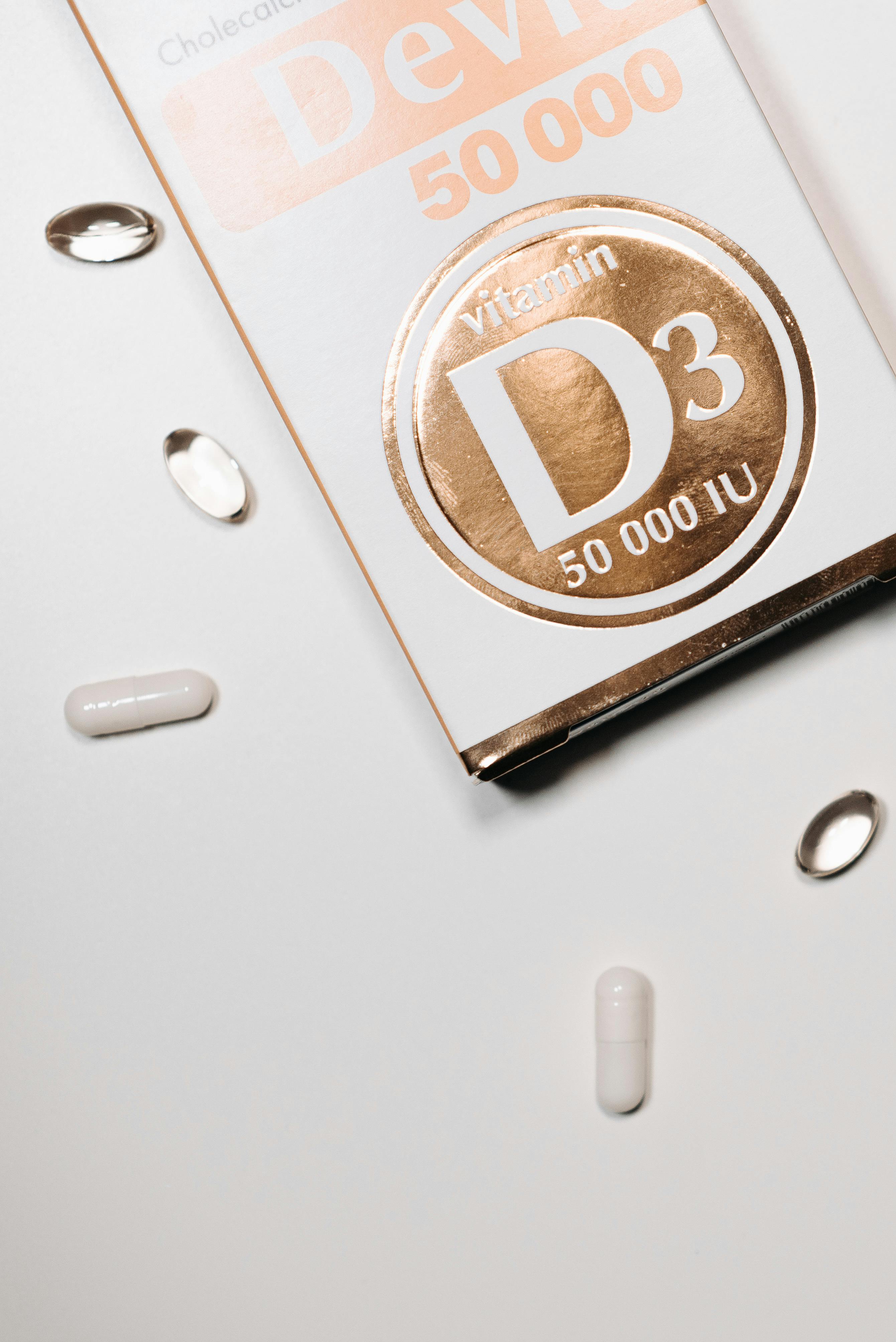
Vitamin D at 5,000 IU reduced depression symptoms most in new dose-response analysis
A 2026 meta-analysis of 15 RCTs finds vitamin D supplementation significantly reduces depressive symptoms, with 5,000 IU per day showing the greatest effect. Reductions in PTH and TNFα point toward anti-inflammatory mechanisms.

Magnesium did not improve sleep or prevent night cramps, major cohort study finds
A new analysis of the population-based CoLaus cohort, published in the European Journal of Nutrition, found no evidence that magnesium supplements improve sleep quality. Magnesium users actually reported a higher likelihood of nocturnal leg cramps.
More
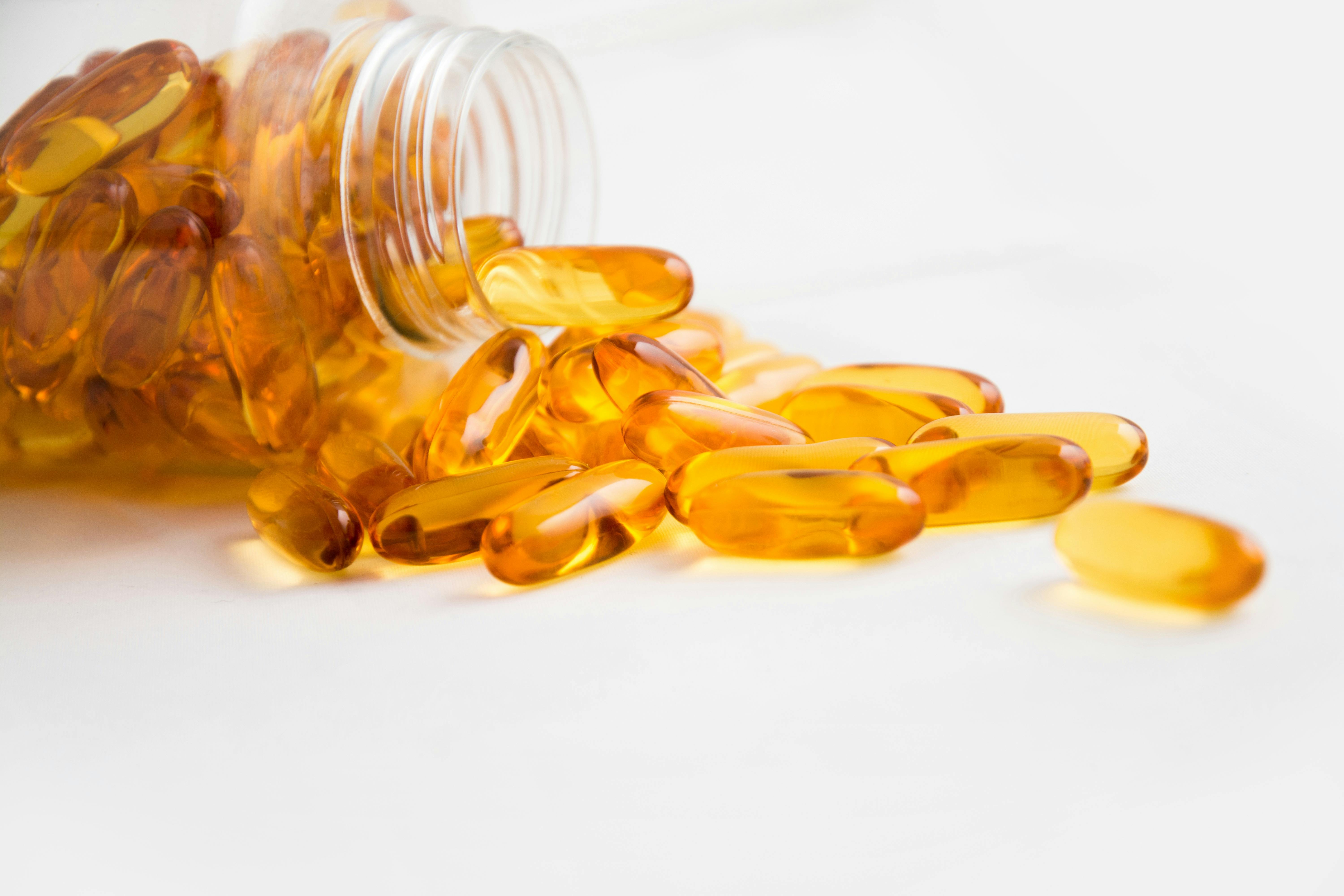
Fish oil supplements face mounting evidence of limited benefits and real risks
A growing body of research suggests fish oil supplements may not deliver the broad health benefits consumers expect and could pose risks including increased atrial fibrillation and possible cognitive decline in older adults.
Vitamin B12 and muscle mitochondria: what the latest research reveals
New research from Cornell shows vitamin B12 directly affects skeletal muscle energy production at the mitochondrial level. In aged mice, B12 supplementation doubled a key enzyme's activity, raising questions about whether marginal deficiency contributes to age-related muscle decline.

Berberine derivative lowered HbA1c by 1% in 12-week diabetes trial
A phase 2 randomized trial published in JAMA Network Open found that HTD1801, an oral compound combining berberine with ursodeoxycholic acid, reduced HbA1c by 1.0 percentage point over 12 weeks. The drug also improved insulin sensitivity, lipid profiles, and liver enzyme levels, with two phase 3 trials now completed and an NDA submission planned.
5-MTHF prenatal trial: what the Ritual-funded RCT actually showed
A 24-week randomized trial in Frontiers in Nutrition compared 5-MTHF and folic acid prenatal multivitamins in 62 second- and third-trimester pregnancies. The methylated form held folate status with about a quarter of the unmetabolized folic acid. Industry-funded, narrowly scoped, and worth reading carefully.
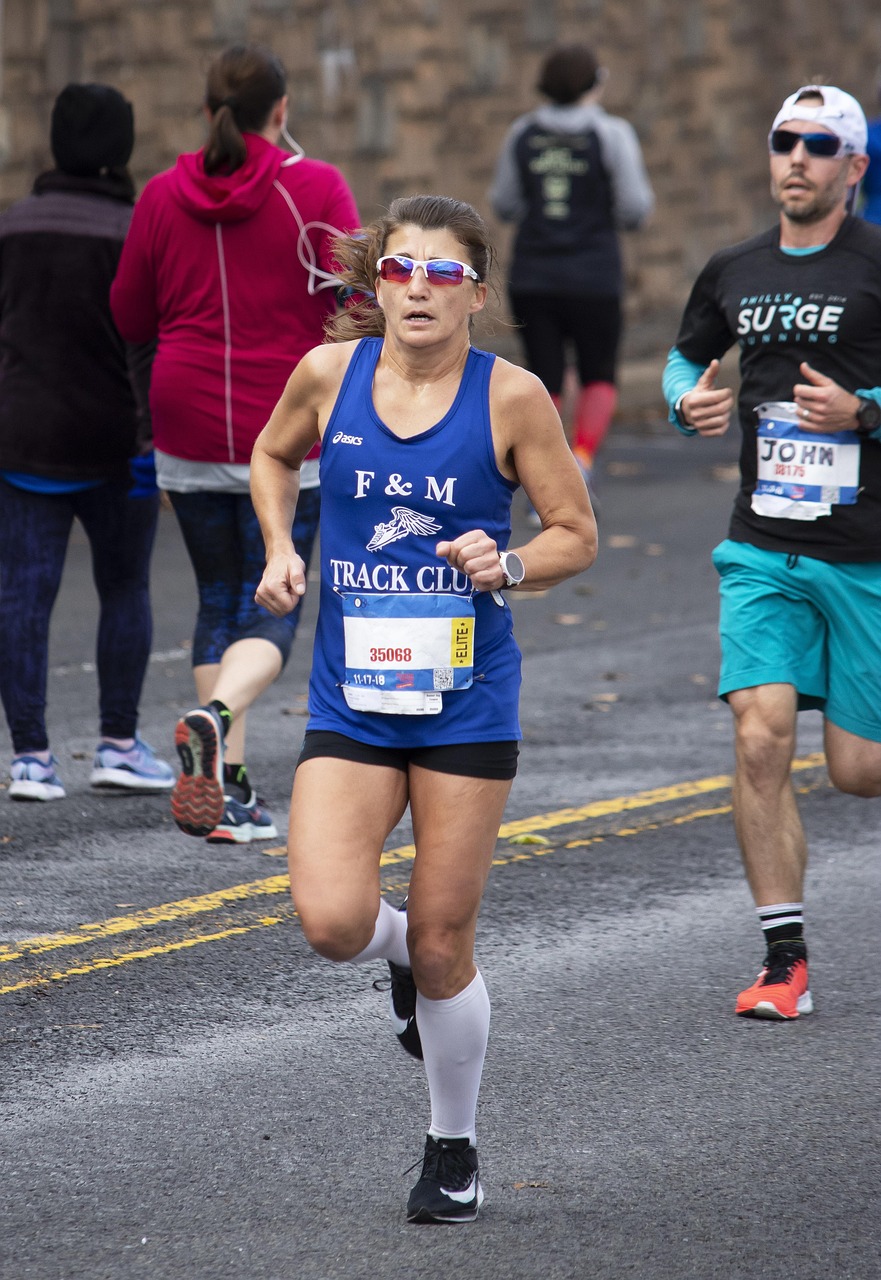
What Runners Get Wrong About Race-Day Fueling
Most runners under-fuel, mistime their intake, or ignore carbohydrate type on race day. Research on 250-plus London Marathon runners and studies on pre-race timing and multiple transportable carbohydrates show how much performance is left on the table when fueling goes wrong.
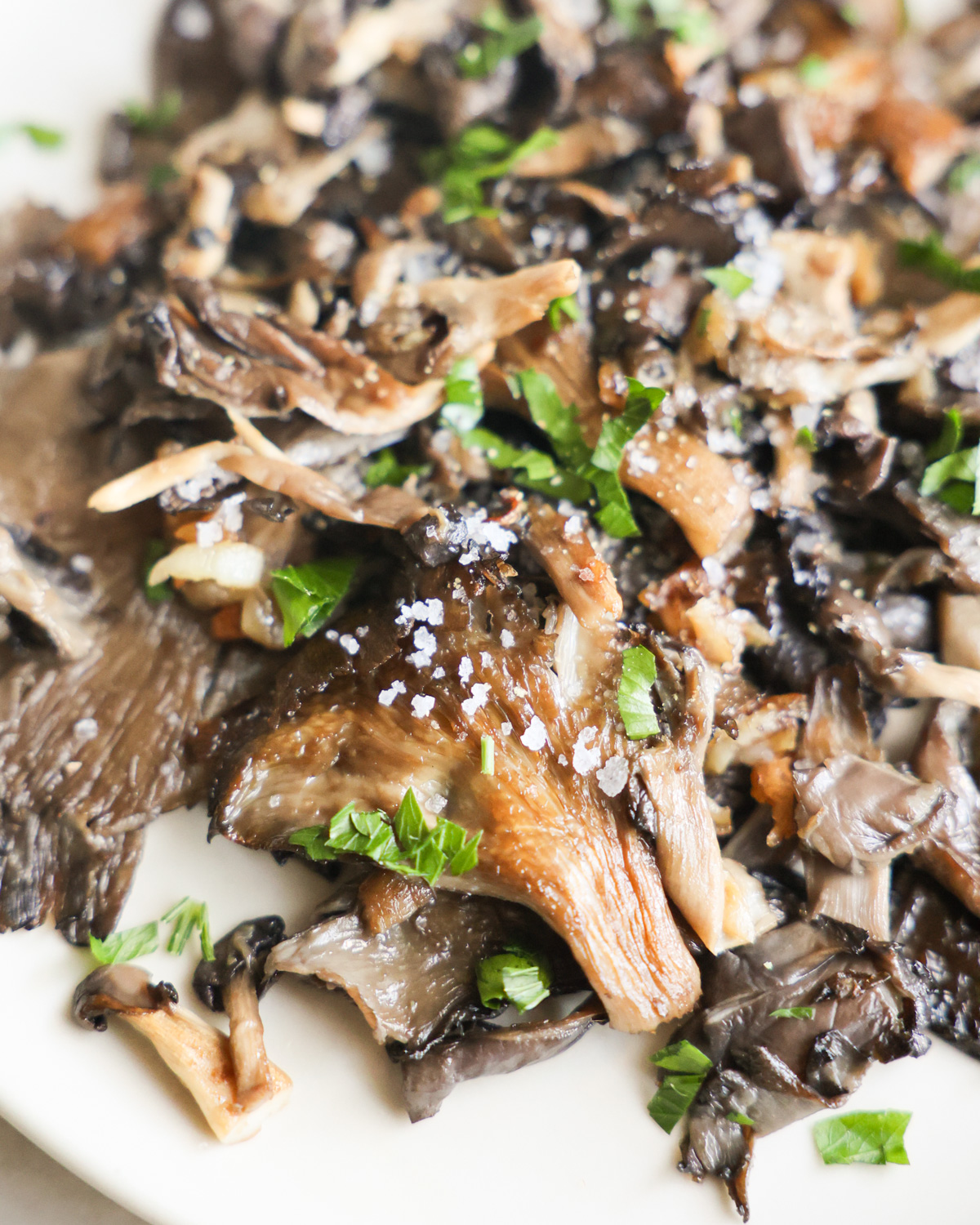
Oyster mushrooms preserved mood and cut inflammation in older adults
A crossover trial in Food & Function found that a single serving of oyster mushrooms preserved positive mood and reduced three inflammatory markers compared to placebo over 6 hours, but showed no consistent cognitive benefit in healthy adults aged 60 to 80.
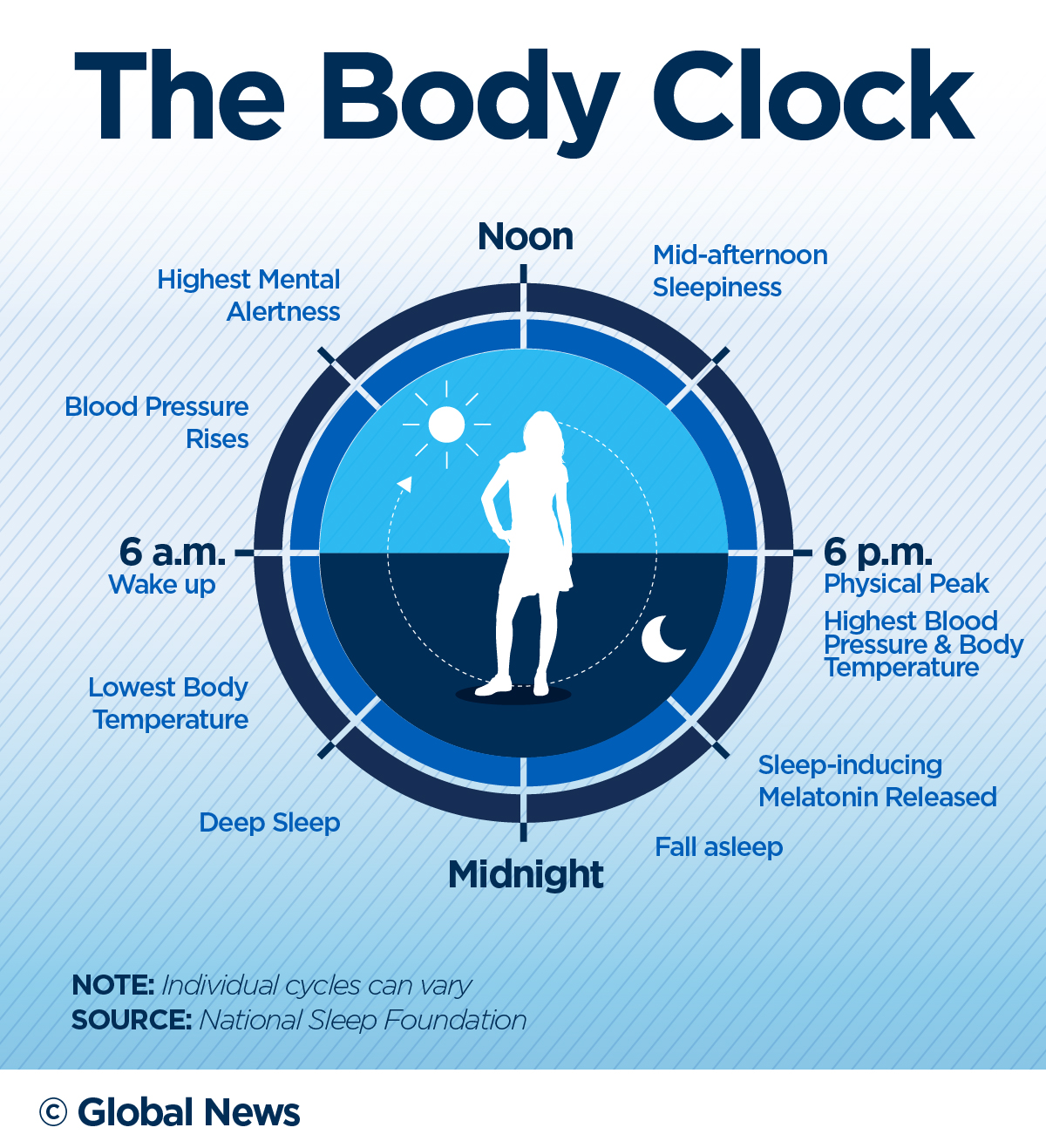
Nutrition timing alone not enough for night-shift metabolic health, trial finds
An 8-week crossover trial in female healthcare workers found that protein-and-nutrient-timing guidance modestly improved visceral fat percentage but did not shift inflammatory markers, gut microbiome diversity, or mental health scores. The findings suggest dietary changes alone are insufficient to reverse the metabolic effects of circadian disruption.

Magnesium bisglycinate modestly improved insomnia in largest placebo-controlled trial
A four-week randomized trial in 155 adults found that 250 milligrams of magnesium bisglycinate per day modestly reduced insomnia severity compared to placebo. The benefit was largest in people with low dietary magnesium intake.

Endurance Athletes Are Swapping $5 Gels for 30-Cent Rice Krispies Treats
Elite marathoners and Tour de France cyclists are replacing $5.50 energy gels with a 30-cent supermarket snack, backed by a 2023 meta-analysis of 136 studies confirming simple carbohydrates improve endurance performance.

What Experts Want You to Know About High-Carb Fueling
Pro athletes and brands are pushing 120 grams of carbs per hour during racing. The science says no peer-reviewed study supports a benefit above 90 grams, and overshooting may hurt amateur performance while stressing the gut.
The Vitalspell brief
Evidence-based supplement science — weekly in your inbox.
Subscribe