Endurance Athletes Are Swapping $5 Gels for 30-Cent Rice Krispies Treats
Elite marathoners and Tour de France cyclists are replacing $5.50 energy gels with a 30-cent supermarket snack, backed by a 2023 meta-analysis of 136 studies confirming simple carbohydrates improve endurance performance.
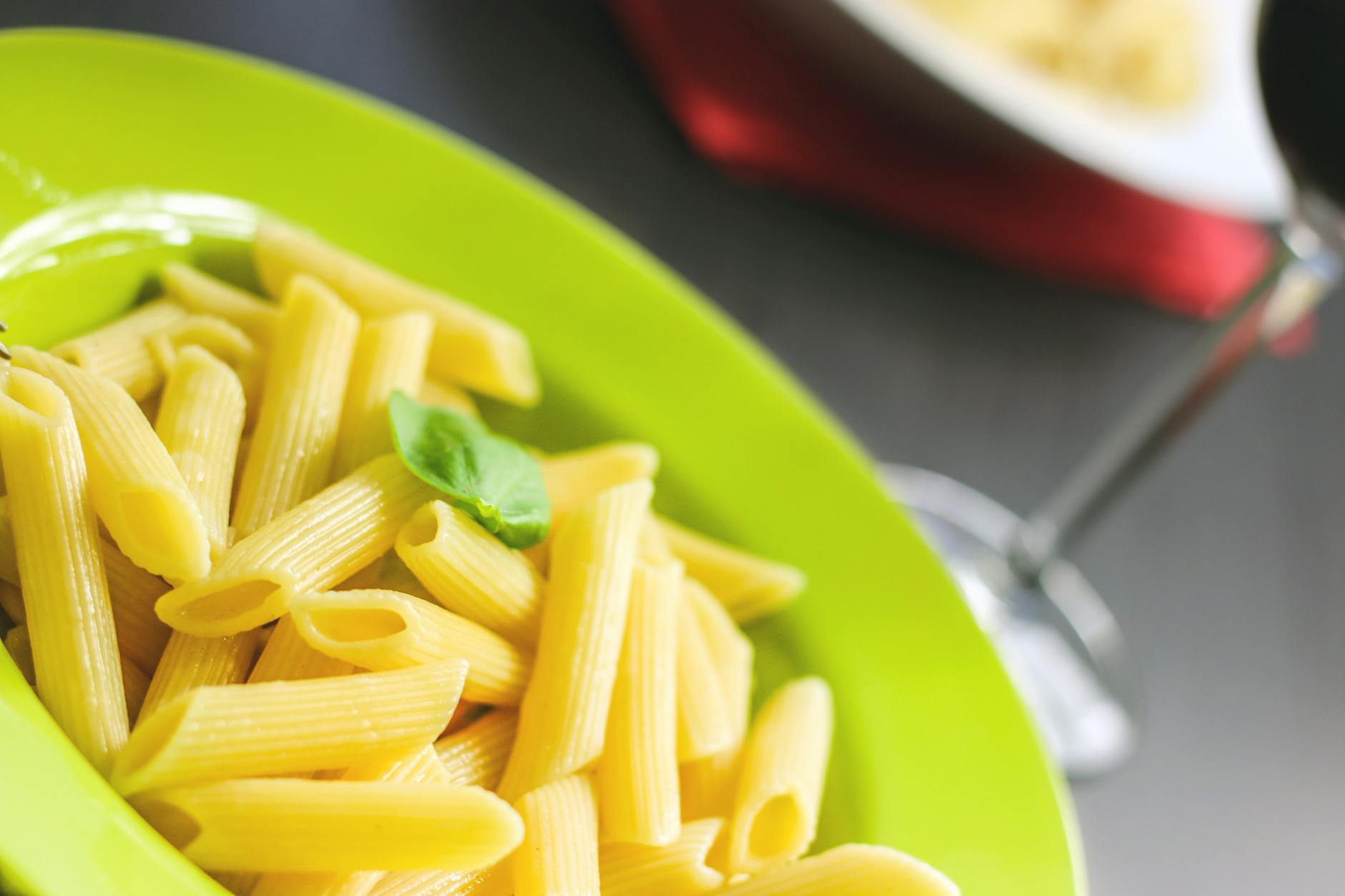
Two-time Olympian Molly Huddle eats an entire box of Rice Krispies Treats the day before a marathon. All 16 of them. Huddle, the former American record holder from 5,000 metres to the half marathon, learned years ago that rice-based foods settled best in her stomach during the high-calorie eating that precedes a race. “Any rice-based food, I noticed, always sat really well with me,” she told Front Office Sports.
She is not the only one.
Pro cyclist Nick Schultz, a two-time Tour de France finisher with Israel-Premier Tech, eats rice-based squares every day in training and on race day. He packs four squares per race. Each one delivers roughly 30 grams of carbohydrate. Mid-race, he targets 90 to 120 grams per hour. Paris Olympian Hobbs Kessler keeps a box in his car for after workouts. “What I’ve really liked about them is, it’s kind of made on-bike nutrition fun,” Schultz said.
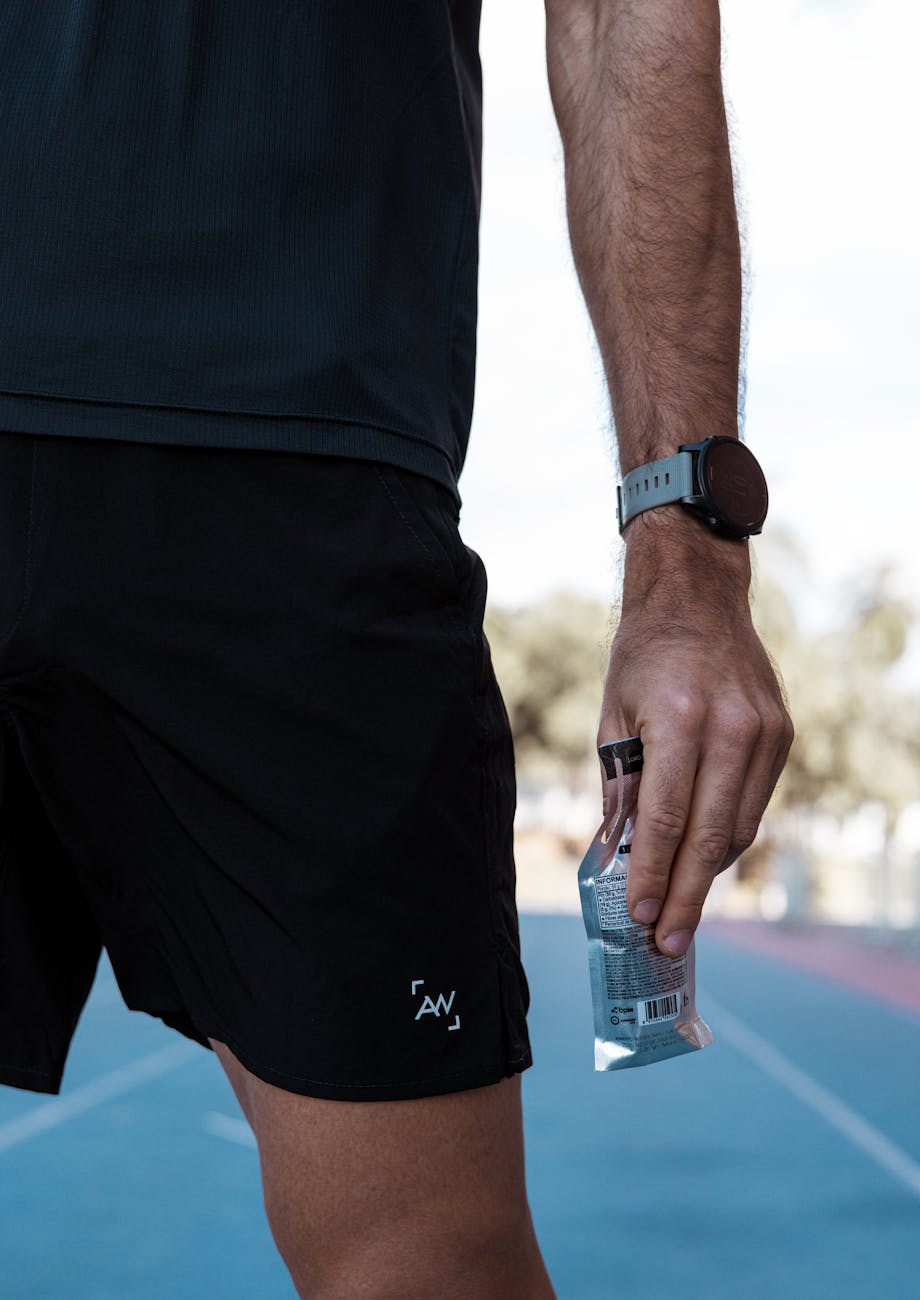
The cost difference is hard to ignore. A single Maurten gel, the hydrogel brand many elite marathoners carry, runs to $5.50. A GU Energy Gel is roughly $2. A 16-pack of Rice Krispies Treats costs $4.89 at Target. That is 30 cents per square. For an athlete who takes six to ten fuel hits over the course of a marathon or a mountain stage, the per-race cost swings from $33-$55 with Maurten to under $3 with the supermarket alternative. Over a season, the gap runs into the thousands.
Meghann Featherstun, a sports dietitian, puts the shift in context. When she took a graduate sports nutrition class in 2007, the textbook answer was that athletes could absorb 30 to 50 grams of carbohydrate per hour. The ceiling was thought to be 60 to 70 grams. That number has since doubled. “Simple carbohydrates are excellent for performance and for restocking glycogen stores,” Featherstun said. She calls the Rice Krispies Treat “the most simple carbohydrate there is.”
The evidence backs her up. A 2023 meta-analysis by Ramos-Campo and colleagues, published in Critical Reviews in Food Science and Nutrition, pooled 136 randomized trials on carbohydrate feeding during endurance exercise. The studies covered time-to-exhaustion tests and real-world time trials, across cyclists, runners, and triathletes. The bottom line: carbohydrate intake during exercise consistently improved performance. The benefit was larger the longer the event ran. It held regardless of the type of carbohydrate consumed, whether gel, drink, or solid. The finding undercuts the marketing that surrounds proprietary gel blends. With a mix of glucose and fructose, researchers now put the upper limit of carbohydrate absorption at 90 to 120 grams per hour for trained athletes.
Geoff Burns, a physiologist with the U.S. Olympic and Paralympic Committee, advises Kessler on performance science. His rule for fueling around training: “Eat like your eight-year-old self would want to eat.” The underlying science is straightforward. Rapidly digestible carbohydrate taken right after training refills glycogen stores faster than waiting or eating complex carbs. A 30-cent supermarket snack meets the spec.
The DIY versions are taking off. Lizzie Holden, a pro cyclist and Schultz’s wife, created a recipe now used by World Tour teams. She sells it under the brand Pock-It Fuel. Her versions go savory: miso, seaweed, and similar ingredients that break the sugar fatigue after hours of gels. Featherstun posts her own recipe online, with Funfetti cake mix added to push the carbohydrate count higher. It is among the most popular recipes on her site. The appeal is not complicated: the ingredients cost a few dollars, the prep takes 15 minutes, and the result is portable fuel that does not require tearing open a foil packet with your teeth at mile 18.
The energy gel market hit $635 million in 2024. Precedence Research projects it will pass $1.3 billion by 2034. But the wider sports nutrition market sits at roughly $50 billion. Rice Krispies Treats, which Kellanova says have seen buyer spending climb 33 percent since 2018, sit in an unglamorous corner of that total. The wrapper lists no electrolytes. No hydrogel technology. No isotonic promise. Just 30 grams of simple carbohydrate per square, a form factor that survives a jersey pocket, and a price low enough that nobody thinks twice about trying it.
The gels are not disappearing. Money still flows into slow-release hydrogels and higher-carb blends. Maurten and Science in Sport are not losing podium spots. Athletes still reach for precision-formulated products when every second counts. But the presence of a grocery-store snack in the pro peloton and on marathon starting lines makes a point that is hard to dismiss: when the evidence says simple carbohydrate works, and when a 30-cent square delivers the same 30 grams as a $5.50 gel packet, the cheapest thing an athlete can stomach and carry wins.
References
- Ramos-Campo D, Clemente-Suarez V, Cupeiro R, et al. The ergogenic effects of acute carbohydrate feeding on endurance performance: a systematic review, meta-analysis and meta-regression. Critical Reviews in Food Science and Nutrition 64:11196-11205. 2023. https://doi.org/10.1080/10408398.2023.2233633
Priya Nair
Health journalist covering thyroid health, cortisol, perimenopause, and endocrine disruptors. Reports from Chicago.