Aged garlic compound nudges the fat-brain-muscle axis longevity researchers chase
A new Cell Metabolism paper identifies S-1-propenyl-L-cysteine, a bioactive in aged garlic extract, as an upstream activator of LKB1 that prompts fat tissue to release more eNAMPT. In aged mice, the molecule reduced frailty and improved muscle force. The human data is preliminary.
Walk into any longevity conference and you will hear the acronyms within ten minutes. NAD. NMN. NR. The bet, made loudly in the late 2010s and still being made now, is that age-related decline is partly a problem of falling NAD+ pools, and that you can put the NAD back by feeding the body its precursors. NAD drops about half between age 40 and 70. The molecule sits at the centre of mitochondrial energy metabolism. The capsules cost between $40 and $200 a month, depending on the brand.
What the trials actually show is messier than the marketing. Some studies report a real rise in NAD levels. Some hint at modest physical-performance improvements in middle-aged adults. Many find nothing that translates to clinical endpoints. And the regulatory picture for NMN in particular has been a moving target, with the FDA’s posture flipping more than once.
A paper out this month in Cell Metabolism takes a different swing at the same problem. Rather than test another NAD precursor, Kiyoshi Yoshioka and Shin-ichiro Imai (working between the Institute for Research on Productive Aging in Tokyo and Wakunaga Pharmaceutical in Hiroshima) ran a study on an upstream signaling molecule. The molecule comes from aged garlic. It does not raise NAD directly. It nudges fat tissue to send the enzyme that makes NAD into circulation, and the brain to wake muscle up.
If that sounds convoluted, it is. The mechanism takes some unpacking, and the headline matters less than what was actually measured.
How the molecule works (the short version)
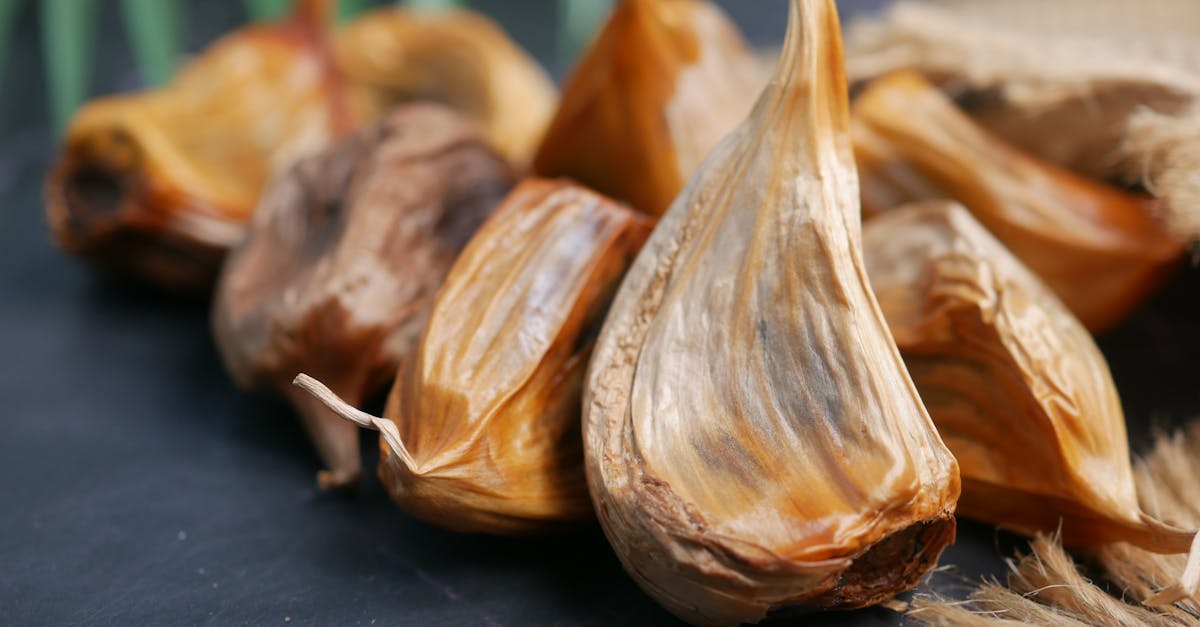
The compound at the center of the new paper is S-1-propenyl-L-cysteine, S1PC for short. It is one of dozens of bioactive sulfur compounds that form during the months-long fermentation of aged garlic extract, the formulation Wakunaga has been selling under the Kyolic brand for decades.
Inside the body, S1PC activates an enzyme called LKB1 (liver kinase B1), which sits upstream of the SIRT1 pathway. That pathway, in turn, prompts fat tissue to secrete more eNAMPT, the extracellular form of NAMPT, which is the rate-limiting enzyme in NAD+ biosynthesis. The eNAMPT travels through the bloodstream in tiny extracellular vesicles, hits the hypothalamus, and ramps up sympathetic nervous output to skeletal muscle.
Translation: garlic compound nudges fat to send NAD-producing machinery to the brain, brain wakes up muscle.
It’s the kind of mechanism that, if you squint, looks like the long-rumored fat-brain-muscle axis the longevity field has been chasing for years. Imai is one of the original architects of eNAMPT biology, so this paper is best read as a continuation of that program rather than a one-off finding from nowhere.
What happened in the mice
The headline outcomes were measured in aged mice on long-term S1PC. Three things showed up reliably. Frailty scores went down. Skeletal muscle force went up. And core body temperature, which tends to drop as small mammals age, was restored toward the baseline of younger animals.
None of these are the same as a lifespan trial. The paper is not a Sirtris-era “this molecule extends life” claim. The mice did not live longer in any reported sense; they aged better on the metrics that track functional muscle and thermoregulation. That is a meaningful but more modest claim than the longevity field has historically asked from a candidate molecule.
The other piece of the paper, and the one most relevant to anyone who already takes aged garlic extract, is the small set of human data. In subjects who supplemented S1PC, circulating eNAMPT levels rose. The effect was more pronounced in people with adequate adipose tissue, which makes sense given that fat is the source of secreted eNAMPT in the proposed mechanism. The lean-tissue dependency is the kind of detail that may end up mattering a great deal for who responds to the supplement and who doesn’t.
The researchers’ framing is careful. “Our findings present a previously unrecognized and unique function of S1PC in activating LKB1,” Imai said in materials accompanying the paper. The claim is mechanistic, not clinical. The translation from “raises eNAMPT in adequately-fat humans” to “improves muscle in adequately-fat humans” remains untested.
How this fits with prior aged-garlic data
Aged garlic extract is not a new supplement. The Wakunaga formulation has decades of cardiovascular research behind it, mostly in the territory of blood pressure, cholesterol oxidation, and arterial stiffness. The compound has Generally Recognized as Safe status, a long human exposure history, and a price point that puts it in the same range as a standard multivitamin.
A separate 2025 paper in Biomedical Reports from the Mony group reported that 42-week-old C57BL/6J mice given a diet with 3% aged garlic extract for 40 weeks showed improvements in spatial memory, learning, and exploratory behavior, alongside hundreds of altered proteins in hippocampus and cortex. That study did not implicate NAD biology. Its proposed mechanism centered on antioxidant signaling, BDNF, and pathways related to amyloid and tau processing.
The two papers are not contradictory. They suggest aged garlic does several things at once, which is what dense plant extracts tend to do. The new Cell Metabolism paper is the first to make the specific NAD-eNAMPT-hypothalamus connection cleanly, and to identify S1PC as the bioactive responsible.
What the trial doesn’t show
The honest reading of this paper is that it is a mechanism paper with strong mouse data and preliminary human biomarker data. Several things it does not establish:
The mouse outcomes are not lifespan extension. They are functional improvements in aged animals on the metrics tested. Calling this “anti-aging” oversells what was measured.
The human data is a biomarker shift, not a clinical endpoint. eNAMPT going up is a plausible intermediate step toward improved muscle function. It is not the same as improved muscle function being demonstrated in a randomized trial in humans.
The dose-response relationship in humans is unestablished. Aged garlic extract products on the market vary wildly in S1PC content because the compound forms during slow aqueous extraction over months. A capsule labeled “aged garlic extract 600mg” may contain very different S1PC quantities depending on processing.
The fat-tissue dependency is interesting and clinically untested. If S1PC’s main route of action runs through adipose-secreted eNAMPT, the supplement may help one population (adults with normal body composition) more than another (lean older adults with sarcopenia, who arguably need it most). That is exactly the population aged garlic marketers tend to target.
And the trial does not address what happens with co-administration alongside NMN, NR, or other NAD precursors. Whether the upstream LKB1 mechanism stacks with direct precursor loading, or duplicates effort, is an open question.
So what does this mean for an aged-garlic supplement
For now, modestly more than it meant a week ago.
If you already take aged garlic extract for cardiovascular reasons, this paper adds a plausible mechanistic story for why long-term users might also see something on the muscle side. It does not change the dose. It does not establish that switching brands matters. It does establish that the molecule of interest is S1PC and that products with higher S1PC content (where disclosed) probably matter more than products that simply list the AGE total.
If you’re shopping for a longevity intervention specifically, the case for trading an NMN or NR capsule for aged garlic on the strength of one paper is thin. NMN and NR have direct human trial data, however mixed, on physical performance. Aged garlic now has a clean mouse mechanism plus a human biomarker shift. Those are not the same evidentiary tier.
The longer-term framing matters more, though. NAD research has been gradually shifting from “boost the substrate” to “tune the upstream signaling.” S1PC fits the second category. It has a defined mechanism, a published mouse story, and a parent compound (aged garlic extract) that has been in human use for decades, which buys it a kind of pharmacovigilance head start most novel longevity molecules don’t have. Whether any of that lands as clinically meaningful in older adults is a question for trials no one has run yet, in populations no one has studied yet.
For the moment, here’s what I’d take away from it. A naturally occurring compound from a long-used supplement seems to flip a switch on the fat-brain-muscle axis the longevity field has been chasing. The mouse work is solid. The human data is a biomarker, not a benefit. The mechanism is novel enough to track. And aged garlic, on its own merits, remains a cheap cardiovascular supplement with a long safety record. That is a reasonable thing to take if cardiovascular support is what you want, regardless of where the eNAMPT story goes.
Whether it earns a place in serious longevity protocols comes down to what gets published next.
Always consult your doctor before starting any supplement, particularly if you have an underlying condition or take prescription medication.
Dean Okonkwo
Molecular biology PhD turned health journalist. Covers aging clocks, NAD metabolism, and the supplement-longevity frontier. Reports from San Francisco.