Soy isoflavones cut severe hot flashes by 92% in 12-week trial
A secondary analysis of a randomized trial found that a low-fat vegan diet supplemented with soybeans reduced severe hot flashes by 92% in postmenopausal women, with daidzein emerging as the main independent predictor. The reduction was not mediated by weight loss.
A low-fat vegan diet supplemented with soybeans reduced severe hot flashes by 92 percent in postmenopausal women over 12 weeks, and the reduction was driven by the increased intake of daidzein (one of three soy isoflavones) rather than by the accompanying weight loss, according to a 2025 secondary analysis of a randomized clinical trial published in Maturitas.
Severe hot flashes are not merely a quality-of-life complaint. They have been independently associated with an elevated risk of cardiovascular disease and type 2 diabetes. That makes non-hormonal interventions that cut their frequency a matter of long-term metabolic health, not just comfort. Hormone therapy works. It is the most effective treatment available. But uptake is uneven. Many women cannot take it, or choose not to, which keeps the search for dietary alternatives active.
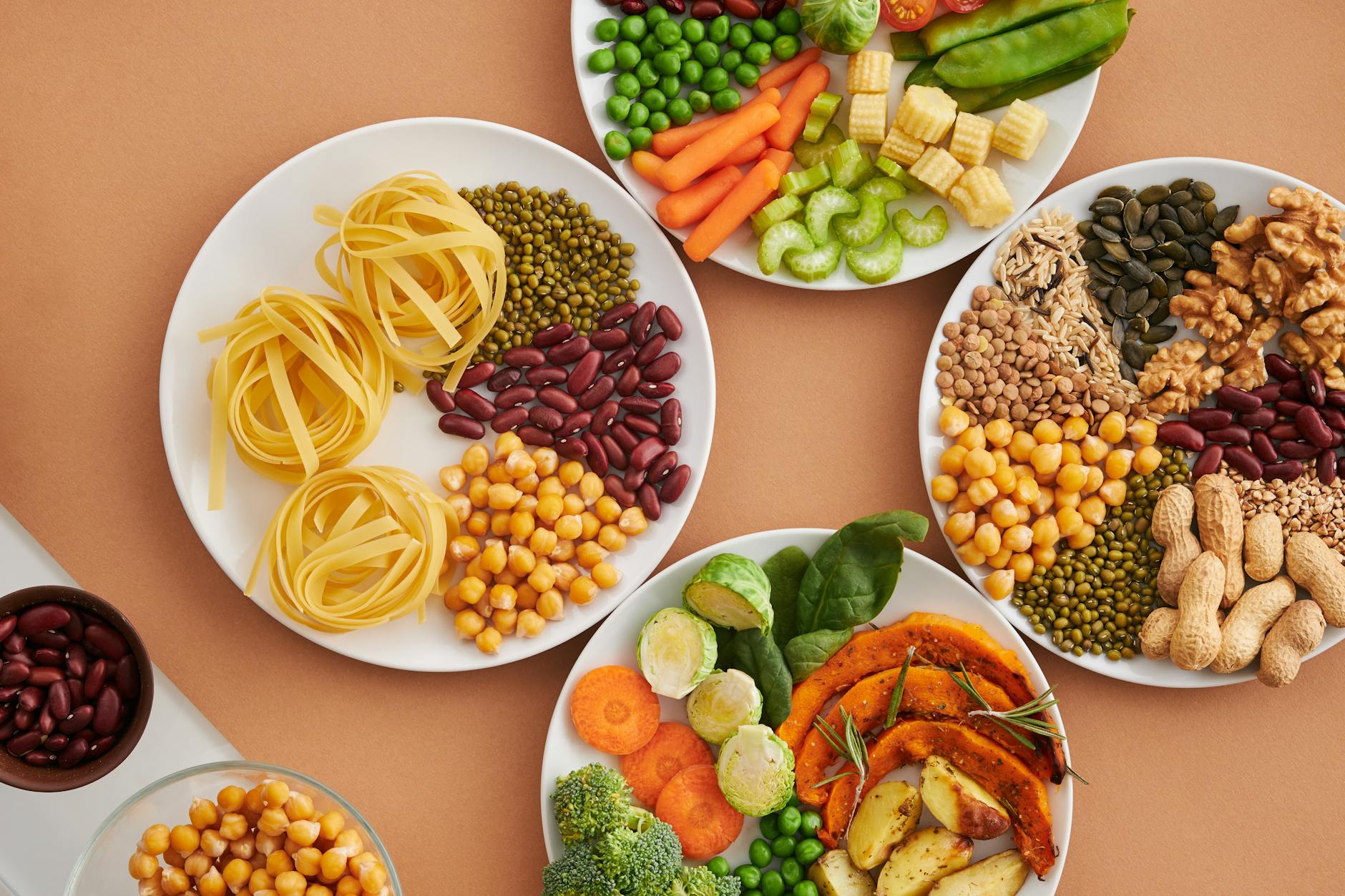
The trial, led by Hana Kahleova and colleagues at the Physicians Committee for Responsible Medicine in Washington DC, randomized 84 postmenopausal women to one of two groups for 12 weeks. The intervention group (42 women) followed a low-fat vegan diet that included half a cup of cooked soybeans per day. The control group (42 women) made no dietary changes. Three-day diet records were analyzed using the Nutrition Data System for Research to track isoflavone intake with precision.
What the trial found
Isoflavone intake rose sharply in the vegan group. Daidzein increased by 34.4 milligrams per day (95% CI +28.1 to +40.8, p < 0.001). Genistein rose by a similar margin (34.8 mg/day, 95% CI +27.7 to +42.0, p < 0.001). Glycitein increased by 4.2 mg/day (95% CI +3.2 to +5.2, p < 0.001). These changes were expected. Soybeans are the richest dietary source of all three compounds.
Body weight fell by 3.6 kilograms in the vegan group and by 0.2 kilograms in the control group. The between-group difference was 3.4 kilograms (95% CI -4.5 to -2.3, p < 0.001). That is a meaningful loss for a dietary intervention with no caloric restriction.
The hot flash numbers were larger. Severe hot flashes (the kind that wake you up at night) dropped from 1.3 episodes per day to 0.1 per day in the vegan group. That is a 92 percent reduction (p < 0.001). The control group did not change meaningfully. The between-group difference reached p = 0.02.
Daidzein, not weight loss, drove the effect
The investigators then asked a question the original trial was not designed to answer: was the hot flash reduction just weight loss in disguise? Weight loss is known to reduce vasomotor symptoms, and the vegan group lost weight. So they tested it.
Each isoflavone correlated with weight loss. Daidzein: r = -0.67, p < 0.001. Genistein: r = -0.67, p < 0.001. Glycitein: r = -0.66, p < 0.001. The more isoflavones the women consumed, the more weight they lost. But the same compounds showed no direct correlation with hot flash reduction.
The key test was weight loss versus hot flashes. The correlation was r = +0.20, p = 0.12. That is a flat line. If losing weight explained the benefit, you would see a strong negative correlation. You do not.
The authors then built a linear regression model that controlled for energy intake and BMI changes. Daidzein intake was the main independent predictor of the reduction in severe hot flashes (p = 0.04). Adjusting for fiber and fat intake left the result unchanged.
The signal is clean. Soy isoflavones appear to reduce severe hot flashes through a pathway that does not depend on weight loss. The probable mechanism is their action as selective estrogen receptor modulators. They bind weakly to estrogen receptors and produce tissue-specific effects.
How this fits with prior research
A 2016 meta-analysis in JAMA pooled 62 studies on plant-based therapies for menopause and found that soy isoflavones produced a modest but real reduction in hot flash frequency versus placebo. Genistein-rich extracts outperformed mixed isoflavone supplements. The Kahleova trial, which used whole soybeans, delivered daidzein, genistein, and glycitein together in a food matrix, not an extract, and still got a 92 percent reduction.
A 2012 meta-analysis by Taku and colleagues in Menopause examined 19 trials and reported that soy isoflavones cut hot flash frequency by roughly 21 percent and severity by 26 percent. The largest effects appeared in women who had more than five hot flashes per day at baseline.
The Kahleova paper differs from these earlier analyses in two ways. It used whole soybeans, not extracted supplements. And it separated weight loss from isoflavone intake as competing explanations. Most prior studies did not try to pull those two apart.
Caveats
This was a secondary analysis of a trial designed to test a different question. The original endpoint was hot flash reduction from a low-fat vegan diet, not isoflavone-specific mechanisms. Post hoc analyses carry less weight than pre-registered primary endpoints.
The sample was 84 postmenopausal women. The results may not apply to perimenopausal women or to men with vasomotor symptoms from androgen deprivation therapy.
The trial came from the Physicians Committee for Responsible Medicine, which advocates for plant-based diets. That is not a reason to dismiss the data. The trial was pre-registered (NCT04587154). The statistics were run by an independent biostatistician at the University of Utah. The paper survived peer review at Maturitas. But the affiliation belongs in the caveats section.
The intervention stacked a low-fat vegan diet on top of soybean supplementation. The study cannot fully separate the dietary pattern from the soybeans. The regression analysis putting daidzein forward as the independent predictor helps, but a trial designed around isoflavone dosing would be cleaner.
At baseline, the vegan group averaged 1.3 severe hot flashes per day. By week 12, the number was 0.1. That is essentially zero for most participants. The between-group p-value of 0.02 on 84 women is a real signal. Small samples produce wide confidence intervals, so the true effect could be more modest than 92 percent. But the direction is unambiguous.
The daidzein intake in the vegan group reached roughly 35 milligrams per day. That is about what you get from 100 grams of cooked soybeans or 200 grams of firm tofu. These are food-level intakes. No supplements required.
Bottom line
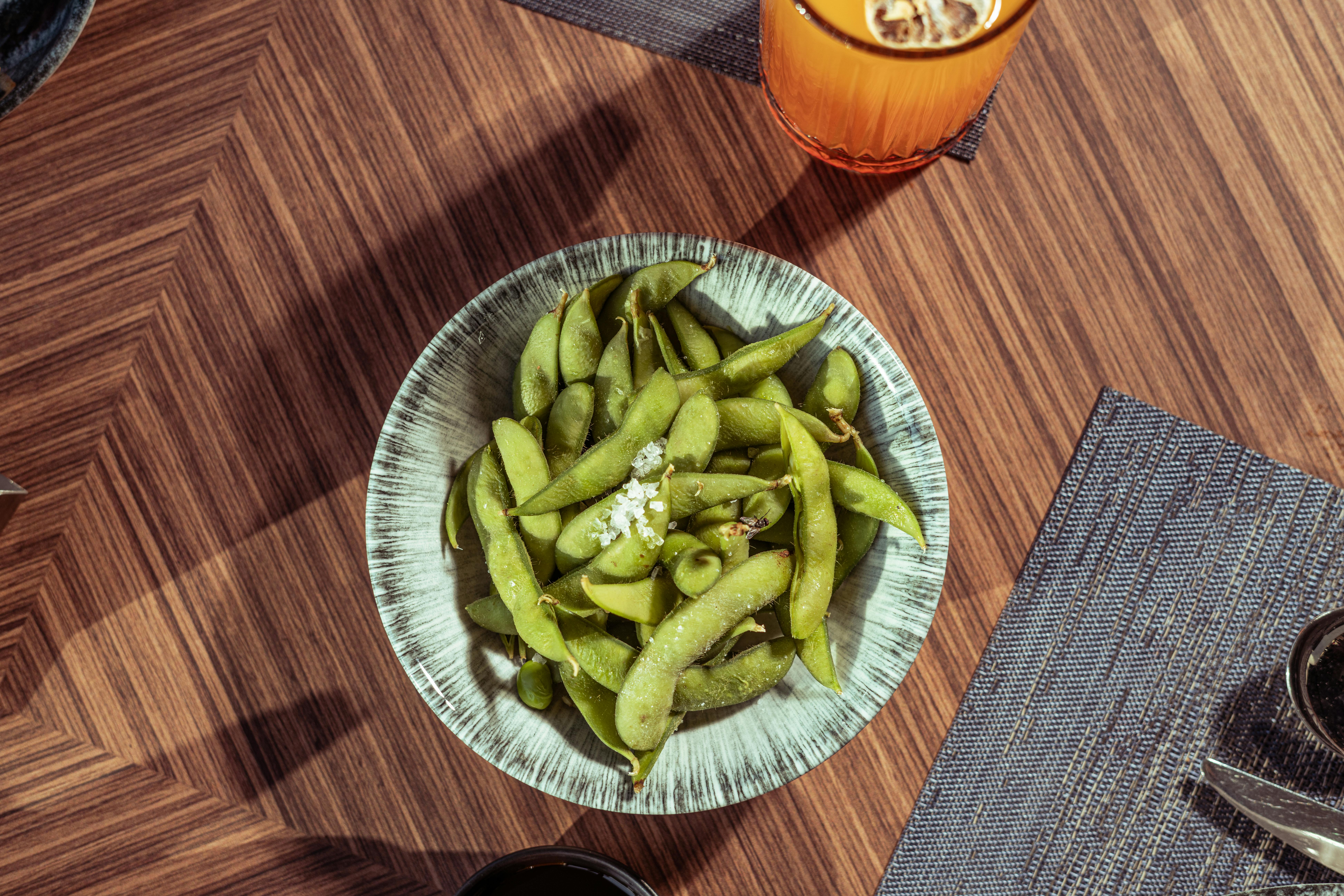
Postmenopausal women who want a non-hormonal way to address severe hot flashes have an option that costs little and has decades of safety data behind it. Half a cup of soybeans per day. Tofu, tempeh, or edamame work too. The effect size in this trial was large, the mechanism was at least partly independent of weight loss, and the intervention is a food, not a pill. As with any dietary change meant to manage a medical symptom, talk to your doctor first.
References
- Kahleova H, Znayenko-Miller T, Holubkov R, et al. Isoflavones and changes in body weight and severe hot flashes in postmenopausal women: A secondary analysis of a randomized clinical trial. Maturitas 200:108661. 2025. https://doi.org/10.1016/j.maturitas.2025.108661
- Franco OH, Chowdhury R, Troup J, et al. Use of plant-based therapies and menopausal symptoms: A systematic review and meta-analysis. JAMA 315(23):2554-2563. 2016. https://doi.org/10.1001/jama.2016.8012
- Taku K, Melby MK, Kronenberg F, et al. Extracted or synthesized soybean isoflavones reduce menopausal hot flash frequency and severity: Systematic review and meta-analysis of randomized controlled trials. Menopause 19(7):776-790. 2012. https://doi.org/10.1097/gme.0b013e3182410159
Priya Nair
Health journalist covering thyroid health, cortisol, perimenopause, and endocrine disruptors. Reports from Chicago.