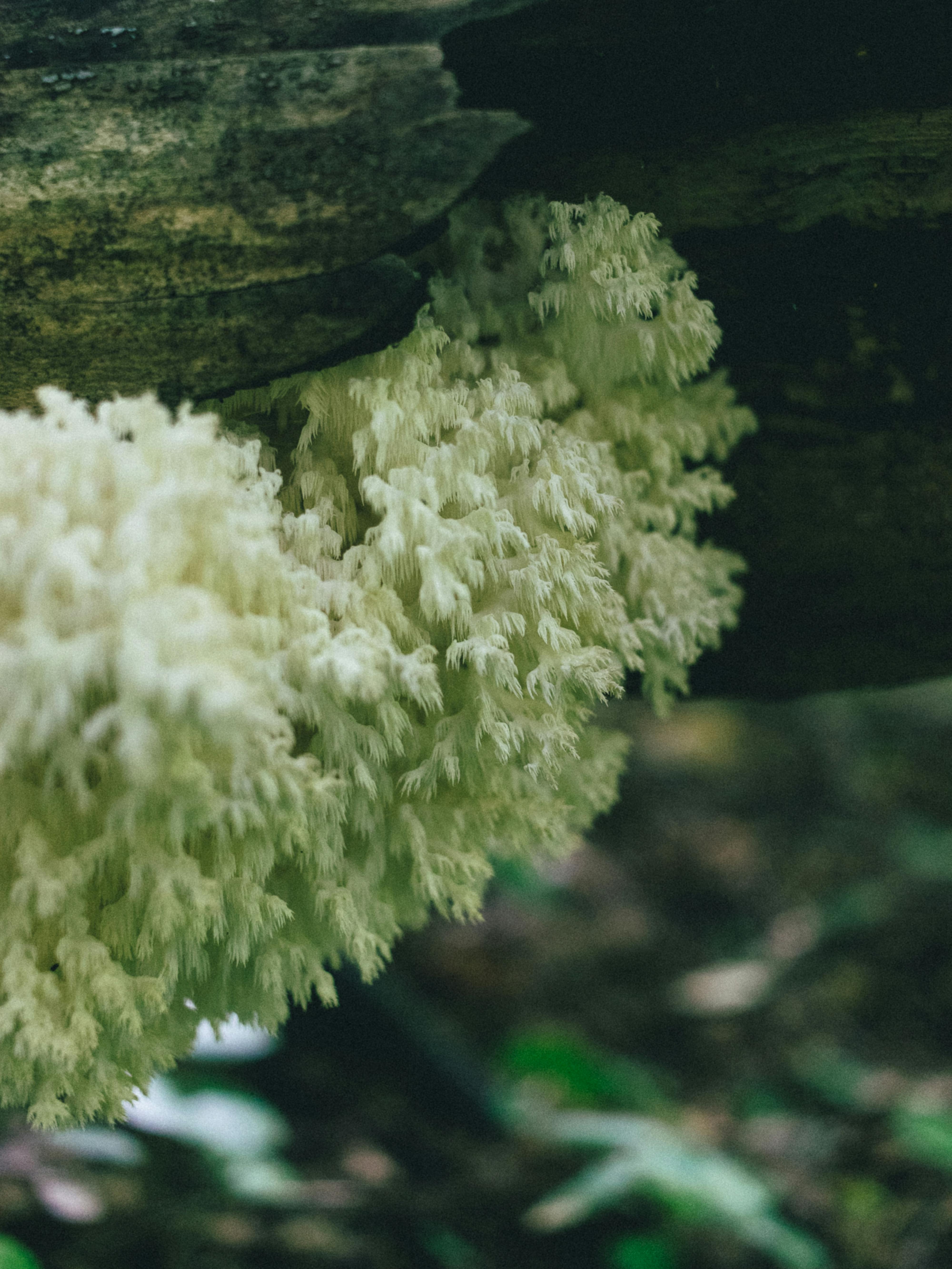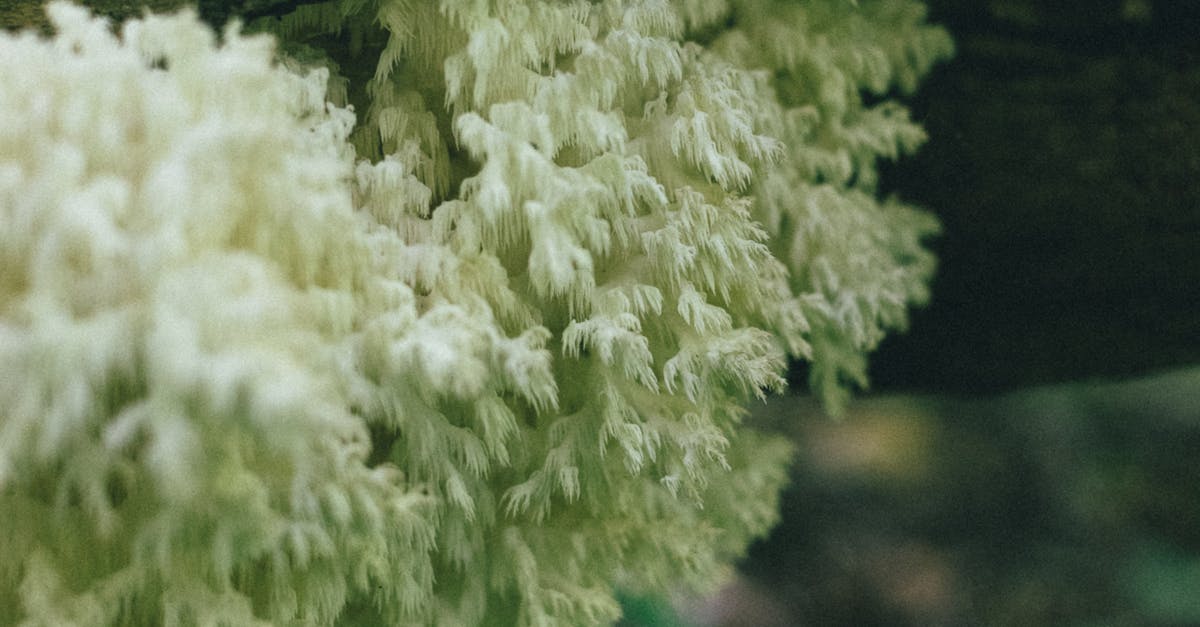
Lion's Mane improved visual attention and sleep in 8-week RCT of 109 adults
A new randomized controlled trial posted to medRxiv found that 2 grams of Hericium erinaceus per day improved visual attention, working memory, sleep quality, and mood in adults aged 40 to 75 with subjective cognitive complaints. The effect sizes were modest and the study was funded by the supplement's manufacturer.
A preprint randomized controlled trial posted to medRxiv in April 2026 found that 2 grams of Hericium erinaceus, the functional mushroom known as Lion’s Mane, improved visual attention, working memory, subjective sleep quality, morning restedness, and mood over eight weeks in adults with self-reported cognitive difficulty (Daoust et al. 2026).
The trial enrolled 109 adults aged 40 to 75 and randomized them to 2 grams of H. erinaceus fruiting body and mycelial biomass (n=57) or placebo (n=52). All participants completed a one-week baseline period before the eight-week intervention. Cognitive performance was measured remotely with a computerized battery that included the Juggle Factor task, which assesses visual attention and working memory. Subjective sleep and wellbeing data were collected through daily self-reports.
The Lion’s Mane group outperformed placebo on the Juggle Factor task (p < 0.05), with faster gains in subjective sleep quality, morning restedness, and mood. No adverse events were reported. That clean safety profile fits with Lion’s Mane’s long history as a food in East Asia, where it is cooked and eaten rather than dosed as a supplement.
How the study was designed
The trial ran remotely. Participants completed cognitive assessments from home, not a supervised lab. That makes it both more real-world and harder to verify adherence. It is registered at ClinicalTrials.gov under NCT06870136.
The 109 participants were adults aged 40 to 75 who self-reported cognitive difficulty. Not patients with diagnosed impairment. People who feel they are not as sharp as they used to be. The intervention was 2 grams per day of whole fruiting body and mycelial biomass, supplied by M2 Ingredients, the study’s funder. Most commercial Lion’s Mane products recommend 500 mg to 3 g per day, so this sits in the middle of the label range.
The cognitive battery centered on the Juggle Factor task as the primary visual attention and working memory measure. Daily ratings captured sleep quality, morning restedness, and overall mood. Because the study was remote, the researchers could not verify supplement adherence. The authors note this compliance gap.
The trial was IRB-approved (Sterling IRB ID 13098) and pre-registered on ClinicalTrials.gov, which locks the primary outcomes and analysis plan before data collection begins. Pre-registration makes it harder to cherry-pick the one outcome that hit significance after testing dozens.
What the prior research says
Lion’s Mane and cognition has been tested before. A 2009 double-blind study by Mori and colleagues, published in Phytotherapy Research, gave 750 mg of H. erinaceus dry powder daily for 16 weeks to 30 Japanese adults aged 50 to 80 with mild cognitive impairment. The supplement group scored higher on a cognitive function scale at weeks 8, 12, and 16 compared to placebo. Scores dipped after a four-week washout, which suggests the benefit depends on continued use.
The Daoust et al. trial differs from Mori 2009 on several axes: a higher dose (2 g vs 750 mg), half the duration (8 vs 16 weeks), more than triple the participants (109 vs 30), and remote rather than clinic-based. It also measured sleep and mood, which the 2009 study did not. Neither trial reported adverse events.
How Lion’s Mane might affect cognition is not settled. Preclinical work points to nerve growth factor (NGF) stimulation. NGF supports neuron survival and function, and levels decline with age. But neither the 2026 nor the 2009 trial measured NGF directly, so whether the cognitive gains run through that pathway is still speculative.
What the study can and cannot tell us
The finding that Lion’s Mane improved cognition and wellbeing comes with caveats.
It is a preprint. No peer review yet. Nobody independent has checked the methods or the stats. MedRxiv’s own banner on the paper says the findings “should not be regarded as conclusive” and should not guide clinical practice or be reported as established fact. Preprints change before journal publication. Sometimes the changes are cosmetic. Sometimes the conclusions shift.
M2 Ingredients paid for the trial, supplied the supplement, and employed two of the eight authors. The competing interest statement says those authors “reviewed, but could not change or omit any analyses,” which draws a line but does not cross it out. Industry-funded nutrition studies systematically report better outcomes than independent ones. That does not make this paper wrong. It means the findings arrive with a grain of salt larger than usual.
The abstract calls the effect sizes “modest.” That is all we get: a word, not a number. The preprint abstract does not report the actual magnitude, so a reader cannot tell whether the Juggle Factor improvement is something they would notice or a subclinical blip. A p-value under 0.05 in 109 people means the result is unlikely to be noise. It says nothing about whether the effect is big enough to care about.
The remote design also means nobody verified who took what. Self-reported adherence in an unmonitored trial adds uncertainty. It applies equally to both arms of a blinded study, so it should not create a fake between-group difference, but it adds noise that can bury a real signal.
Who this matters for
The people in this trial were 40 to 75 years old and felt they were slipping. Not a clinical diagnosis. The kind of change where you notice you are reaching for names that used to come instantly.
For that group, Lion’s Mane at 2 grams a day may offer a small, real improvement in attention and working memory, with better sleep and mood as possible downstream effects. The safety record across two trials now is spotless: 139 people, zero adverse events, up to 16 weeks of use.
For younger adults, or anyone who feels cognitively fine, this trial says nothing. It was not designed to test whether Lion’s Mane sharpens performance in already high-functioning people, which is most of the nootropics market.
Bottom line
A preprint RCT found that 2 grams of Lion’s Mane per day modestly improved visual attention, working memory, sleep, and mood in 109 adults over eight weeks. The manufacturer funded it. It has not been peer-reviewed. It extends the 2009 Mori et al. trial with a bigger sample, a remote design, and new sleep and mood outcomes. The size of the benefit will become clearer when the full data or a peer-reviewed version lands. Anyone thinking about Lion’s Mane for cognitive support should discuss it with their doctor before starting.
References
- Daoust J, Farrar S, Grant AD, et al. A randomized, double-blind, placebo-controlled study evaluating the impact of Hericium erinaceus (Lion’s Mane) on cognitive performance and subjective wellbeing. medRxiv. 2026. https://doi.org/10.64898/2026.04.13.26350781
- Mori K, Inatomi S, Ouchi K, et al. Improving effects of the mushroom Yamabushitake (Hericium erinaceus) on mild cognitive impairment: a double-blind placebo-controlled clinical trial. Phytotherapy Research 23(3):367-372. 2009. https://doi.org/10.1002/ptr.2634
Dr. Kiran Patel
Clinical researcher covering the gut-brain axis, probiotics, and metabolic health. Reports from Boston.