Gut microbiome determines who benefits from plant-based foods, study finds
A systematic analysis of 5,500 human microbiomes mapped 775 dietary phytonutrients to the bacterial enzymes that process them, finding that the gut's capacity to metabolize plant compounds is highly individual and substantially reduced in people with chronic disease.
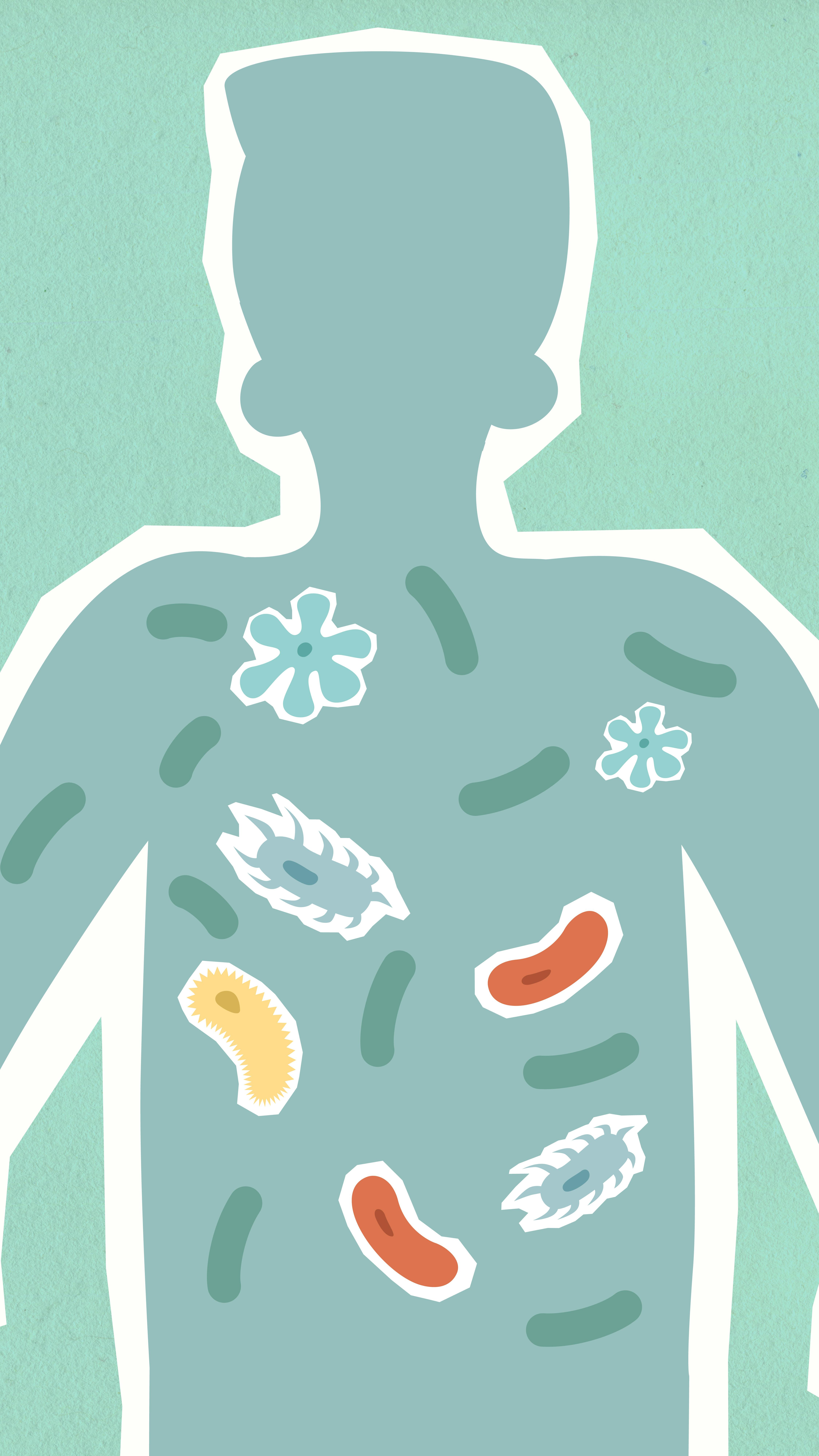
A systematic analysis of more than 5,500 human gut microbiomes has mapped 775 dietary phytonutrients to the bacterial enzymes that transform them. The study, published in December 2025 in Nature Microbiology by an international team led by researchers at the Leibniz-HKI and the University of Jena, found that the microbiome’s capacity to process plant compounds is highly individual and substantially diminished in people with chronic disease.
The finding undercuts the assumption that a healthy diet delivers the same benefits to everyone. “Consuming edible plants with demonstrated health benefits may be insufficient for someone with an imbalanced microbiome,” said first author Lu Zhang of the Leibniz Institute for Natural Product Research and Infection Biology in Jena, Germany. Dietary recommendations, which are currently one-size-fits-all, may need to account for individual microbiome composition to be effective. The study draws on 112 prior papers and integrates database-level enzymatic reaction data with global microbiome samples, making it the most comprehensive map of phytonutrient-microbiome interactions assembled to date.
How the study was designed
Zhang and colleagues integrated multiple databases of enzymatic reactions and food health benefits with 3,068 publicly available human gut microbiome samples from populations around the world. They cross-referenced these against the chemical structures of 1,388 phytonutrients found in edible plants and identified which gut bacteria carry the genes to metabolize each compound.
The computational predictions were tested in the laboratory. The researchers cultured gut bacterial species with specific plant compounds and confirmed that organisms such as Eubacterium ramulus actively transform phytonutrients. E. ramulus, a common member of the human gut microbiota, has previously been tied to flavonoid degradation, but this study places it within a far broader enzymatic network.
The team linked 4,678 gut microbial enzymes to phytonutrient biotransformation. Roughly 67 to 70 percent of all enzymes in the human gut microbiome may participate in processing plant-derived compounds, a much larger share than earlier estimates suggested. Phytonutrient-metabolizing enzymes were distributed across many bacterial phyla rather than concentrated in a few specialist taxa. Plant compound processing appears to be a core function of a healthy gut ecosystem, not a niche capability.
What the data showed
The biotransformation capacity was not uniform. The same phytonutrient was processed differently depending on an individual’s microbial composition, which varied by geography, diet, and health status. The researchers described “high interpersonal and geographical variability” in phytonutrient metabolism. Two people eating the same kale salad may extract different sets of bioactive compounds from it, depending on which microbes are present and transcriptionally active. Certain phytonutrient-transforming enzymes were enriched in specific populations, likely reflecting long-term dietary patterns and gut microbial adaptation to regional food systems.
Machine learning models trained on 2,486 case-control microbiomes discriminated between healthy individuals and those with chronic disease based solely on the abundance of phytonutrient-associated enzymes. The models identified disease-specific enzyme signatures: 608 enzymes were differentially abundant in inflammatory bowel disease, 1,038 in colorectal cancer, and 517 in non-alcoholic fatty liver disease. In each case, the diseased gut showed a reduced enzymatic capacity to process compounds from foods known to be health-promoting.
From correlation to causation
The team turned to mice to establish causality. They colonized germ-free animals with defined microbial communities and fed them common edible plants, including strawberries, then measured anti-inflammatory responses with metagenomics and metatranscriptomics. The anti-inflammatory activity of the strawberries depended entirely on the presence and transcriptional activity of specific gut microbial enzymes. When the enzymes were absent or silenced, the benefit vanished.
This moves the study beyond a cataloging exercise. The microbiome does not merely correlate with dietary response; it mediates it. The same plant compound can be inert or bioactive depending on whether the right bacteria are present and expressing the right genes.
Corresponding author Gianni Panagiotou, professor of microbiome dynamics at the University of Jena, said the results “show how crucial microbiome function is for the effects of healthy nutrition.”
What this means for nutrition science
The findings point to two strategies. One is diagnostic: profile a person’s gut enzyme repertoire and match foods to the enzymes they already carry. The other is therapeutic: supply bacterial strains with the missing enzymes, via probiotics or fermented foods inoculated with specific phytonutrient-metabolizing species.
Zhang noted that the work “suggests a new direction for developing functional foods through fermentation with selected bacterial species.” After safety testing, such products could be aimed at older adults or people with low microbiome diversity, groups in which phytonutrient processing capacity is often reduced.
Gianni Panagiotou, corresponding author on the paper, said the multidisciplinary work drew on bioinformaticians, chemists, disease model specialists, and microbiologists. “Our results show how crucial microbiome function is for the effects of healthy nutrition,” he said.
The study extends a body of work connecting gut microbes to diet outcomes. A 2025 paper by Kuziel and colleagues in Cell mapped the functional diversification of dietary plant small molecules by the gut microbiome. A 2024 study by Culp et al., also in Cell, showed that microbial transformation of dietary compounds reshapes the microbiome itself, creating a feedback loop between diet and microbial ecology. A 2024 paper by Bae and colleagues in Cell Host and Microbe characterized a specific polyphenol-metabolizing gut enzyme. And a 2025 review by Beaver et al. in Advances in Nutrition tied the gut microbiota-dietary phytochemical nexus to healthy aging.
Caveats
The Zhang et al. study is observational at the human level. The causal evidence comes from mice. Whether restoring enzyme activity in people through diet or probiotics produces measurable health gains has not been tested in a randomized trial. The machine learning models were trained on case-control datasets that differ in quality, geography, and dietary metadata. A person with colorectal cancer may have an altered microbiome for reasons unrelated to diet, including their treatment history and disease-driven physiological changes.
Diet-microbiome interactions are tangled with many variables: host genetics, medications, meal timing, and the food matrix in which phytonutrients arrive. Teasing apart enzyme activity from these confounders in free-living humans is hard. The paper’s 112 references show how much evidence the authors pulled from, but the field still needs trials that pair microbiome profiling with controlled diets and track health endpoints rather than enzyme abundance alone.
Precision nutrition now has a mechanistic scaffold. The question shifts from whether a food is healthy in general to whether it is healthy for a particular person’s gut ecosystem. Answering that will mean testing it.
References
- Zhang L, Marfil-Sanchez A, Kuo TH, et al. Gut microbiome-mediated transformation of dietary phytonutrients is associated with health outcomes. Nature Microbiology 11(1):94-110. 2025. https://doi.org/10.1038/s41564-025-02197-z
- Kuziel GA, Lozano GL, Simian C, et al. Functional diversification of dietary plant small molecules by the gut microbiome. Cell 188(5):1255-1269. 2025. https://doi.org/10.1016/j.cell.2025.01.045
- Culp EJ, Nelson NT, Verdegaal AA, et al. Microbial transformation of dietary xenobiotics shapes gut microbiome composition. Cell 187(20):5679-5692. 2024. https://doi.org/10.1016/j.cell.2024.08.038
- Bae M, Le C, Mehta RS, et al. Metatranscriptomics-guided discovery and characterization of a polyphenol-metabolizing gut microbial enzyme. Cell Host and Microbe 32(11):1987-1998. 2024. https://doi.org/10.1016/j.chom.2024.10.002
- Beaver L, Jamieson PE, Wong CP, et al. Promotion of healthy aging through the nexus of gut microbiota and dietary phytochemicals. Advances in Nutrition 16(2):100376. 2025. https://doi.org/10.1016/j.advnut.2025.100376
Sera Voss
Formulation analyst covering the supplement industry's supply chain, purity testing, and ingredient sourcing. Reports from Los Angeles.
More from Science
Akkermansia muciniphila: what the evidence actually says about the internet's favorite probiotic
GOS prebiotic shifted gut microbiome and brain GABA in young women, but anxiety scores held steady